Skip to content

Factory readiness, startup, daily operations and continuous improvement

Water Bottling FactoryFactory Readiness, Startup & Stable Production

Complete bottled-water factory solutions · from source water to finished pack

Water Bottling Factory: From Startup to Saleable Production

A water bottling factory turns prepared water and approved packaging into sealed, coded and packed bottles. Starting production also requires trained people, reliable utilities, traceable materials and product-release controls. Allot Tech helps you organize equipment and operating requirements for your planned or existing factory. Start with the decision your team needs to close next.

Diagnose a production bottleneck

Share your product, bottle formats, target output, factory status, equipment scope and current project stage.

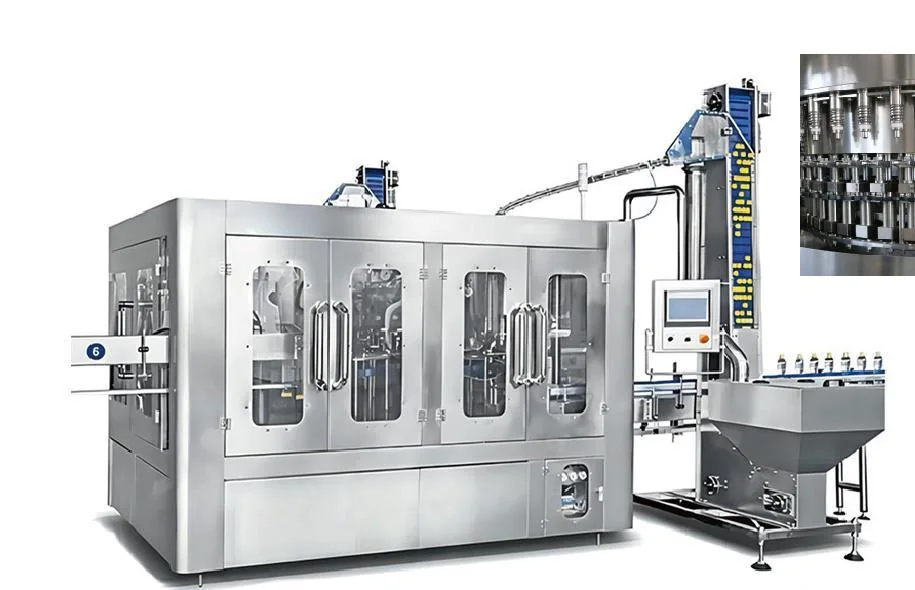
PET water rinsing filling and capping monoblock from the Allot Tech beverage bottling catalog
Allot Tech catalog reference · final model and performance are project-specific.
FACTORY STARTUP CONTROLREADINESS VIEW
Project stage04–09Readiness through improvement
Equipment & controlsREVIEW
Utilities & siteCONFIRM
People & materialsCONFIRM
Quality & releaseGATE

Catalog evidence · reference only

See the Equipment Behind the Factory System

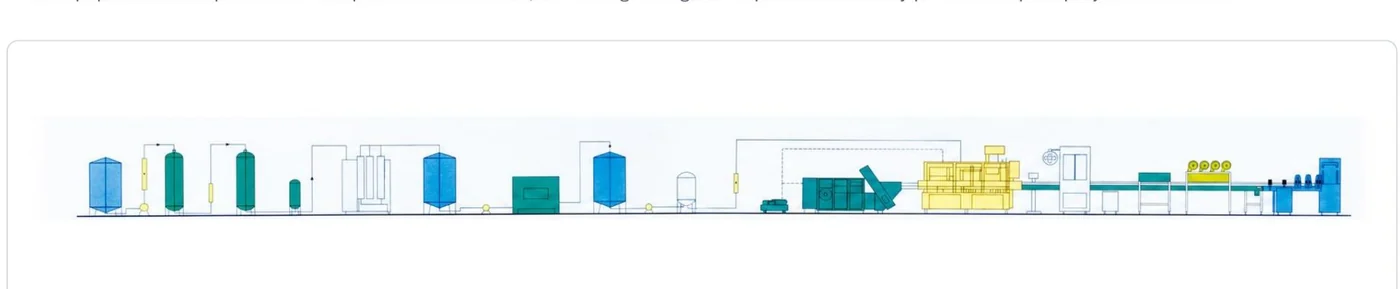
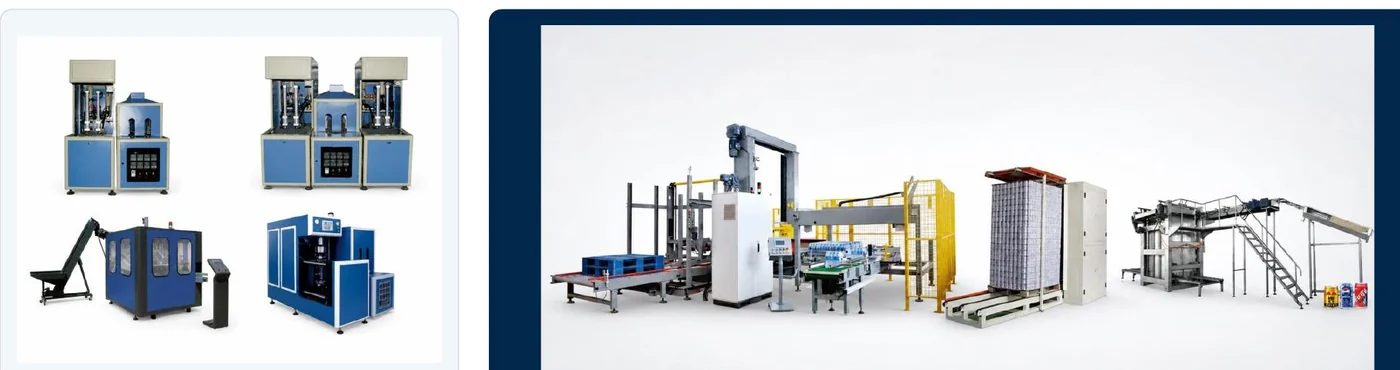
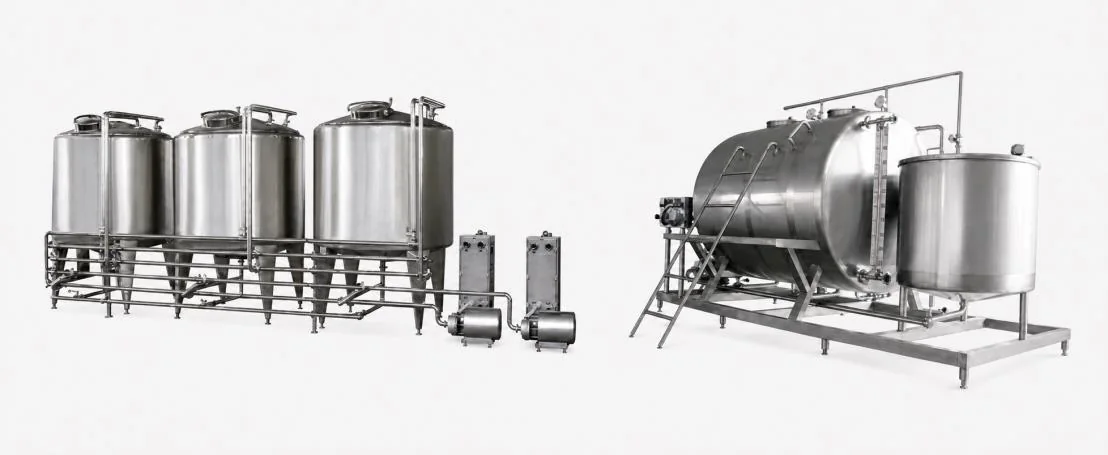
Real equipment visuals from the Allot Tech Beverage Bottling Catalog 2026. They illustrate solution families; final models, interfaces and performance are confirmed for each project.

Complete line scope · from source water to finished pallet

What Equipment Does a Water Bottling Factory Need?

A complete water bottling factory is a connected production system. The right scope depends on the source-water basis, bottle and cap design, target bottles per hour, final pack, site utilities, automation level and local operating conditions.

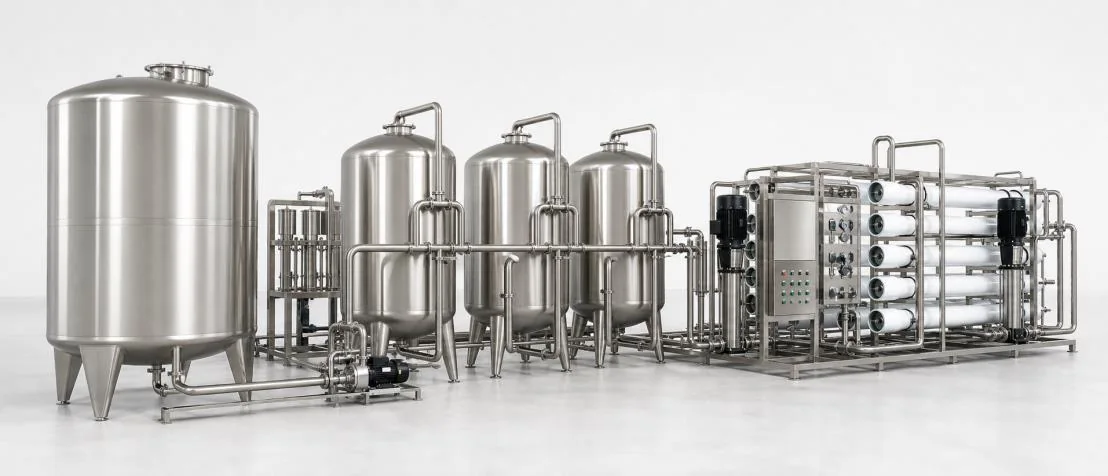
1. Water treatment and product-water storage

Raw-water tanks, pumps, pretreatment, filtration, reverse osmosis or other selected processes, disinfection and hygienic storage must be sized against the confirmed water analysis and line demand.

Review water-treatment control

2. Bottle making or bottle feeding

PET preform handling, blow molding, high-pressure air, bottle cooling and air conveying form one route. Purchased empty bottles or returnable containers require a different receiving, inspection and feeding system.

Confirm bottle and preform inputs

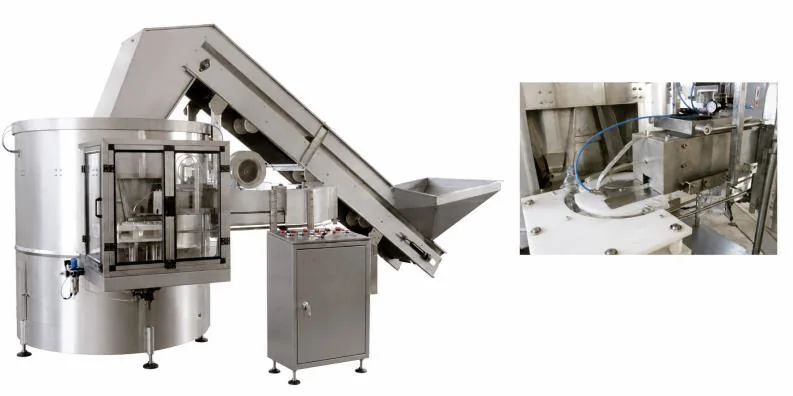
3. Rinsing, filling and capping

The filler platform must match the product, container material, bottle volume, neck finish, cap, hygiene basis and target output. Rated BPH alone does not define the complete factory result.

Compare equipment functions

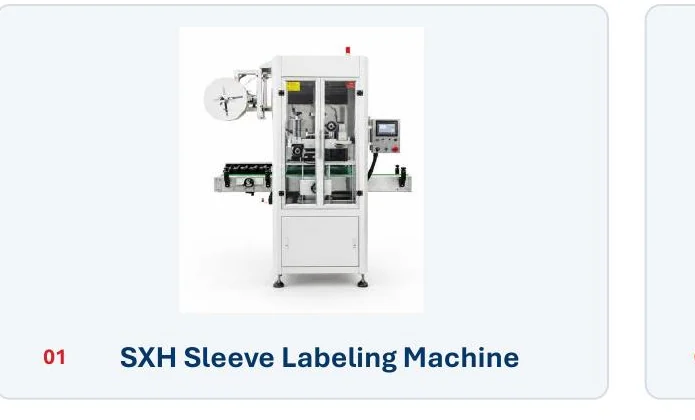
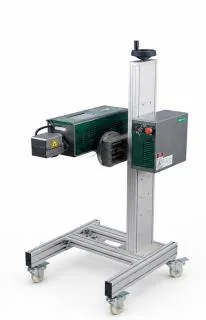
4. Labeling, coding and inspection

Container surface condition, label material, code location, line speed and inspection logic must be confirmed together. Bottle drying and conveyor stability can directly affect labeling and coding quality.

Plan incoming-material inspection

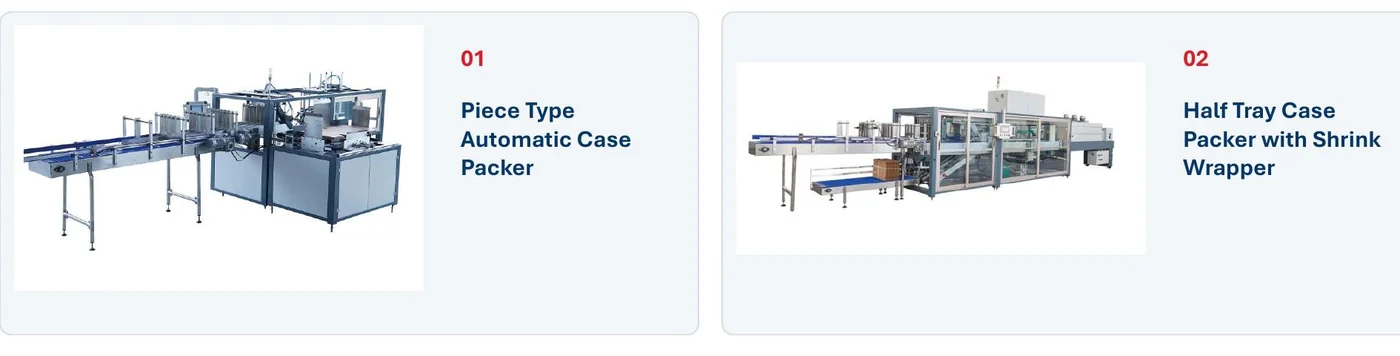
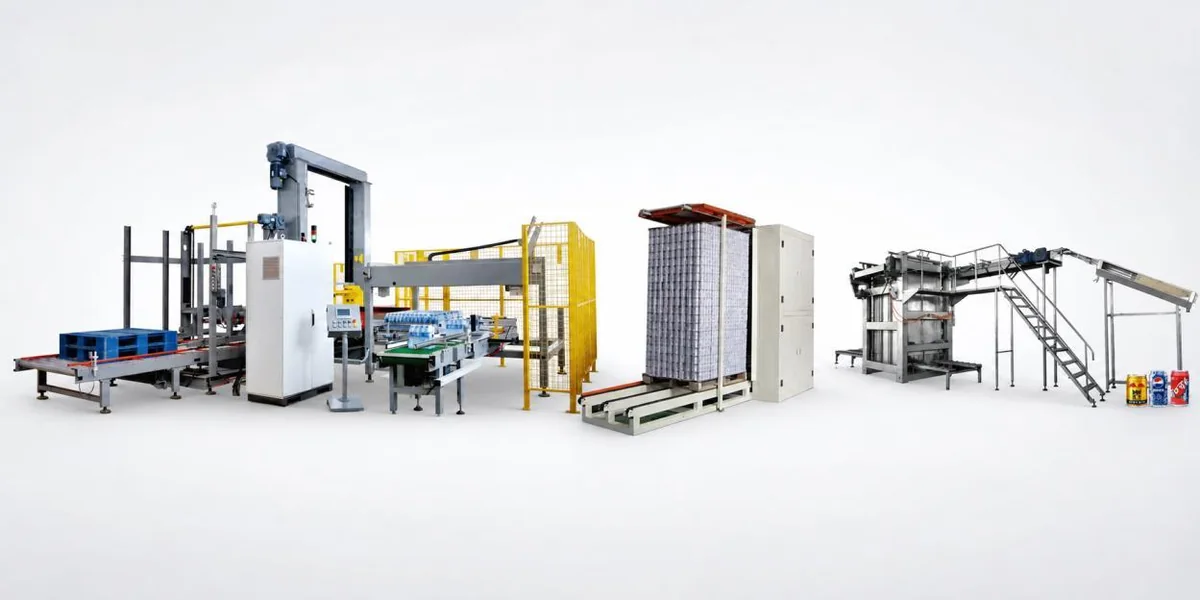
5. Packing, conveying and pallet handling

Film packs, cartons, trays, handles, pallet patterns and warehouse handling change the required equipment and accumulation strategy. The downstream system must keep pace with accepted filler output.

Connect packing to dispatch

6. Utilities, controls and factory support

Power, low- and high-pressure air, process water, drainage, ventilation, laboratory checks, spare parts, operator access and safety controls are part of the working factory—not optional details after machine purchase.

Check site and utility readiness

Choose your next factory decision

Practical Tools for Starting and Running a Water Bottling Factory

Use these resources to turn a broad factory question into a recorded decision. Each guide explains its inputs, limitations and next step; Allot Tech can review the equipment and operating context you provide.

Can we start the production trial?

Check materials, trained operators, cleaning status, utility evidence and release authority. Download a blank gate record to assign owners and capture open items.

How many bottles can we sell?

Convert rated BPH and your shift assumptions into estimated saleable output. Follow the worked example, then check it against actual production and release records.

What does one released bottle cost?

Match packaging, utilities, labor and other in-scope costs to the same production period. Use the blank worksheet to expose missing rates and allocation assumptions.

Why does the line keep stopping?

Compare the first event with upstream and downstream behavior. Use the symptom table and downtime record before choosing a corrective action or equipment upgrade.

Buyer specification · before supplier comparison

Define the Water Bottling Factory Before Asking for a Price

A complete-line quotation becomes comparable only when every supplier receives the same controlled project basis. Use this specification map to expose unknowns before they become change orders, missing utilities or output disputes.

Decision areaBuyer must defineSupplier must confirmRisk when omitted
Source water and productAvailable analysis, intended water category and destination marketTreatment steps, hygienic storage, design flow and stated exclusionsAn unsuitable process or insufficient water supply
Bottle and closureMaterial, volumes, neck finish, cap, label and reference samples or drawingsCompatible parts, change parts, format range and approved sample basisA machine that cannot run the commercial package
Saleable outputRequired bottles per hour, shift pattern and monthly demand by formatRated conditions, connected-line constraint and acceptance methodNameplate speed mistaken for released output
Complete equipment boundaryBottle-making route, treatment, filling, labeling, coding, packing and handling needsIncluded modules, interfaces, local work, controls and documentationA filler quote presented as a complete factory
Factory and utilitiesDimensions, clear height, access, floor, drainage, power, air and ambient conditionsLoads, qualities, terminal points, footprint and maintenance clearancesLate civil changes, unstable operation or delayed installation
Startup and acceptanceLocal team, materials, laboratory status and target startup windowInstallation, commissioning, training, test materials, criteria and recordsEquipment delivered without a controlled release path
Operating supportShift skills, maintenance capability, warehouse route and local sourcing planCritical spares, manuals, remote support and responsibility limitsA factory that starts once but cannot sustain production

Budget and quotation logic

What Determines Water Bottling Factory Cost?

There is no reliable universal price for a water bottling factory. A useful budget starts with a controlled requirement brief and an itemized equipment boundary.

Cost-driving project inputs

  • Raw-water analysis and intended finished-water basis
  • Bottle material, size range, neck finish, cap and label
  • Target BPH for every required bottle format
  • Blow-molding route or purchased-bottle route
  • Pack pattern, film or carton route and pallet handling
  • Automation, inspection, coding and traceability scope
  • Factory dimensions, access, utilities and drainage
  • Installation, commissioning, training and spare-parts scope

Send these details for a technical proposal

  • Project country and factory status
  • Product description and available water report
  • Bottle drawings or reference samples
  • Required bottle sizes and target output
  • Available floor plan and clear height
  • Electrical supply and compressed-air status
  • Preferred final pack and warehouse route
  • Target delivery and startup schedule
Request a project-specific equipment scope

Buyer guide · choose the next decision

Water Bottling Factory Planning: Follow the Right Path

Use the project stage and the decision you need to make. Each guide answers a distinct buyer question, so equipment, cost, capacity and startup decisions stay connected without being confused.

01 · Start from the current state

Where is your factory now?

The same machine list creates different priorities at planning, delivery, commissioning and operating stages.

01

I am still planning the factory

Confirm the product, source-water basis, bottle formats, output target, factory status and equipment scope before treating assumptions as decisions.

Define the factory basis
02

Equipment is ordered or being manufactured

Prepare site interfaces, utilities, drainage, access, operators, packaging materials, documents and installation conditions before delivery.

Prepare for equipment arrival
03

Equipment is installed but production has not started

Close safety and functional checks, train the team, approve materials and organize a controlled full trial-production run.

Prepare for trial production
04

The factory is running but output is unstable

Separate symptoms from causes by reviewing downtime, rejects, line balance, utilities, materials, operators and maintenance evidence.

Review the production bottleneck

02 · Factory lifecycle

Factory lifecycle

Connect the factory systems, evidence and responsible decisions required to progress from equipment to controlled saleable production.

Planning → readiness → installation → commissioning → trial production → ramp-up → daily operation

How to Start a Water Bottling Factory

Starting a water bottling factory is not finished when machines are purchased. The project must connect the product definition, source water, packaging, output basis, site, utilities, equipment, people, quality decisions, startup records and operating responsibilities into one controlled release path.

Continue this factory review
Installation completion and functional commissioning

Installation and Commissioning Readiness

Commissioning should begin from a controlled installation baseline. Mechanical, electrical, controls, utilities, safety devices, machine interfaces, documentation, materials, operators and test responsibilities need recorded readiness before the line is run as one system.

Continue this factory review
Stable daily operation and continuous control

Daily Water Bottling Production Planning

A daily production plan should schedule saleable product, not just machine hours. Confirm orders and product status, available material lots, line and utility readiness, trained shifts, changeovers, quality checks, planned stops, maintenance windows and finished-product storage before releasing the plan.

Continue this factory review
Stable operation, troubleshooting, expansion and modernization

Upgrade an Existing Water Bottling Factory

Do not replace the complete line before identifying the loss that limits saleable output. Compare demand, current and rated output, downtime, speed loss, quality loss, material behavior, changeovers, utility stability, labor handling, maintenance history, warehouse flow and future formats, then define the smallest upgrade that addresses a confirmed constraint.

Continue this factory review

03 · Factory operating system

Nine systems must work together

A missing operating module can stop the complete factory even when every machine is physically installed.

01

Product & process basis

Define what the factory intends to release, the water basis, bottle formats and acceptance decisions.

02

Equipment & controls

Connect machine functions, settings, interlocks and real operating responsibilities across the line.

03

Utilities

Verify water, power, low- and high-pressure air, drainage and supporting systems under operating demand.

04

People & training

Assign qualified operators, quality checks, maintenance ownership and shift handover.

05

Packaging materials

Control preforms or bottles, caps, labels, film, cartons and pallets by approved specification and status.

06

Hygiene & sanitation

Define cleaning scope, sequence, verification, area release and records.

07

Quality control

Connect raw-water checks, process checks, packaging inspection, finished-product release and traceability.

08

Maintenance & spares

Plan preventive work, breakdown response, critical spares, lubrication and maintenance history.

09

Warehouse & dispatch

Protect material status, quarantine, finished-product release, storage rotation and dispatch identity.

03 · From machine speed to released product

Rated BPH is not saleable factory output

Every factor below must use a defined, project-specific basis. This site supplies no invented efficiency benchmark.

Nameplate speed×Scheduled hours minus planned stops×Availability×Running efficiency×Quality yield= Saleable bottles
Preliminary formulaSaleable bottles = Rated BPH × net scheduled hours × availability × running efficiency × quality yield

Actual output also depends on connected equipment, bottle formats, materials, utilities, operators, maintenance and acceptance criteria.

Use my own factors

04 · Factory readiness gates

Do not release the factory by calendar date alone

Advance when the agreed evidence is complete and critical open issues are controlled.

  1. Gate 1

    Product and package data frozen

    Product definition, bottle, neck, cap, label, code and final pack inputs have controlled versions.

  2. Gate 2

    Factory and utility interfaces ready

    Confirmed connection points and operating supply conditions are available for installation and testing.

  3. Gate 3

    Equipment installation complete

    Mechanical, electrical, controls, guards and connections have recorded completion checks.

  4. Gate 4

    Safety and functional checks complete

    Open safety and functional items are closed or formally controlled before production trials.

  5. Gate 5

    Operators trained

    Named people can perform startup, normal operation, stop, cleaning, changeover and escalation tasks.

  6. Gate 6

    Packaging materials approved

    Sufficient approved materials are available and identifiable for the planned trial.

  7. Gate 7

    Quality-control methods ready

    Sampling, tests, limits, status identification and release authority are defined.

  8. Gate 8

    Trial production completed

    A representative run has records for output, downtime, rejects, quality results and open issues.

  9. Gate 9

    Open issues controlled

    Owners, containment, due points and verification evidence are assigned for remaining issues.

  10. Gate 10

    Commercial production released

    Authorized operations and quality roles agree that release criteria are met for the approved product scope.

Score the ten readiness dimensions

05 · Common startup failures

Small unconfirmed interfaces can stop a complete line

Use each symptom as a route to evidence and ownership, not as an automatic root-cause conclusion.

06 · Daily factory control

Run the shift through records

Production planMaterial issueStartup inspectionLine clearanceProcess settingsQuality checksDowntime logReject reportMaintenance workCleaning releaseBatch traceabilityShift handoverFinished-product release
Build the daily control path

07 · Quality is a factory system

Release evidence travels from source to finished pack

Raw waterTreatment processProduct-water storageRinsingFillingCapsBottles or preformsLabels and final packagingCleaning and sanitationSampling, release and traceability
Review the product-release path

08 · Improve an operating factory

Start with the confirmed constraint, not the largest machine

Build an evidence-backed improvement scope before replacing the complete line.

  • Increase output without immediately replacing the complete line
  • Identify the true constraint from records and observation
  • Improve packaging-material consistency
  • Reduce startup and changeover loss
  • Improve maintenance planning and spare readiness
  • Add inspection or targeted automation where evidence supports it
  • Upgrade packing, conveying or pallet handling
  • Expand utilities after measuring the real shortfall
  • Add bottle formats through controlled interface review
  • Prepare phased expansion without losing current production control

09 · How Allot Tech works

Confirm the brief before coordinating the scope

Allot Tech coordinates project requirements and selected manufacturing resources; final conditions remain project-specific.

  1. 01

    Collect

    Factory, product, package, output, utility, equipment and issue information.

  2. 02

    Stage

    Identify whether the project is planning, installation, commissioning, ramp-up, operating or expansion.

  3. 03

    Separate

    Keep confirmed data, references, assumptions and missing inputs visibly different.

  4. 04

    Review

    Check equipment and operating interfaces against the actual factory objective.

  5. 05

    Prioritize

    Assign critical gaps, evidence, owners and the next decision point.

  6. 06

    Coordinate

    Discuss suitable equipment, service or improvement resources for the agreed scope.

  7. 07

    Confirm

    Prepare project-specific technical and commercial conditions for written agreement.

  8. 08

    Support

    Coordinate production, FAT, shipment or startup activities only within the agreed responsibility boundary.

Contact and support

Questions operating teams ask

What is included in a complete water bottling factory?

A complete project can include source-water treatment, treated-water storage, PET bottle blowing or bottle feeding, rinsing-filling-capping, labeling, coding, inspection, conveyors, packing, pallet handling, utilities, laboratory support, spare parts, installation preparation, commissioning and operator training. The final boundary must be confirmed in the project-specific technical offer.

How do I choose the right water bottling factory capacity?

Start with bottle sizes, required saleable bottles per day or month, working hours, changeovers, expected stops, quality yield and future demand. Convert that commercial requirement into a line-speed basis, then confirm that water treatment, bottle supply, packing, utilities and warehouse handling can support it.

How much does a water bottling factory cost?

There is no reliable universal price. Cost changes with source-water treatment, bottle making, container formats, target output, automation, final packaging, inspection, utilities, freight, installation, commissioning, spare parts and local factory work. Compare itemized project boundaries rather than filler price or rated BPH alone.

What information is needed before requesting a water bottling factory quotation?

Provide the project country, product and available water analysis, bottle sizes and drawings, cap and label details, target output, final pack, available factory dimensions, electrical supply, compressed-air status, existing equipment and intended startup schedule.

Is water treatment the same for every bottled-water factory?

No. The process depends on the source-water analysis, intended product, required treated-water basis, local requirements, operating demand and storage strategy. A treatment scope should not be copied from another project without confirming those inputs.

Is this a bottled-water producer?

No. WaterBottlingFactory.com is a factory-readiness and operations resource operated by Allot Tech (Suzhou) Co., Ltd. It does not claim that Allot Tech produces bottled water.

Does buying a rated-BPH filler define saleable factory output?

No. Saleable output also depends on scheduled time, stops, availability, running efficiency, quality yield, upstream and downstream balance, utilities, materials and operating control.

Can one readiness checklist approve every factory?

No. The scorecard organizes preliminary review. Product definitions, legal requirements, test methods, acceptance conditions and responsibilities remain project- and jurisdiction-specific.

What should an operating factory share for a bottleneck review?

Useful inputs include line scope, bottle size, rated and current output, downtime history, reject data, utility readings, material specifications, photos, videos and a clear symptom timeline.

Can Allot Tech confirm final machine performance from this website?

No. Website content and catalog values are references. Final equipment, performance, utilities, services, delivery and acceptance conditions follow the signed technical and commercial agreement.

10 · Move the factory forward

Turn Your Equipment Plan into a Working Factory

Share the product, package, output, site, utilities, equipment status and current factory stage. Unknowns can remain marked for confirmation.

Editorial responsibility: Allot Tech (Suzhou) Co., Ltd. · Last updated

Request a Project-Specific Proposal