
Interactive scorecard · ten operating dimensions
Water Bottling Factory Readiness: What Can Block the First Trial?
An installed line is not automatically ready for a production trial. Match the planned product, packaging lots, operating team and quality checks to the approved trial scope. Keep any unresolved dependency visible, with its owner, required evidence and affected activity.
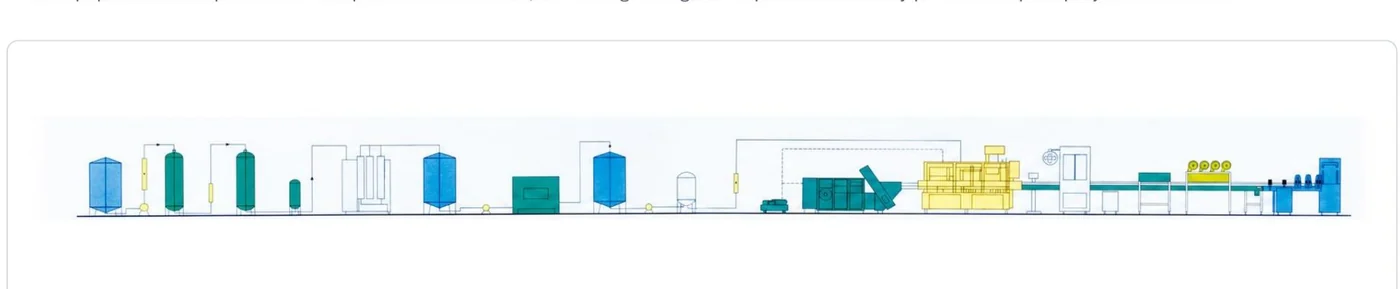
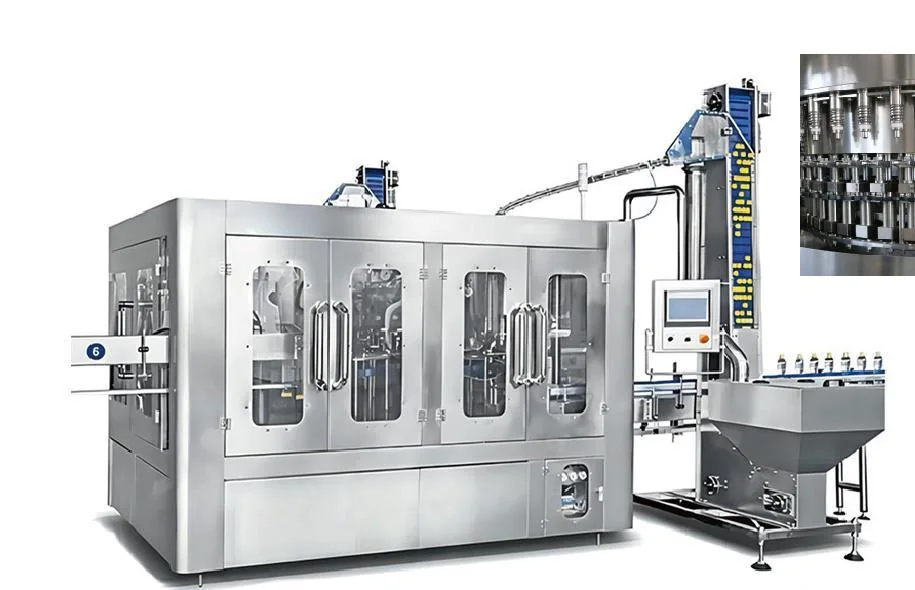
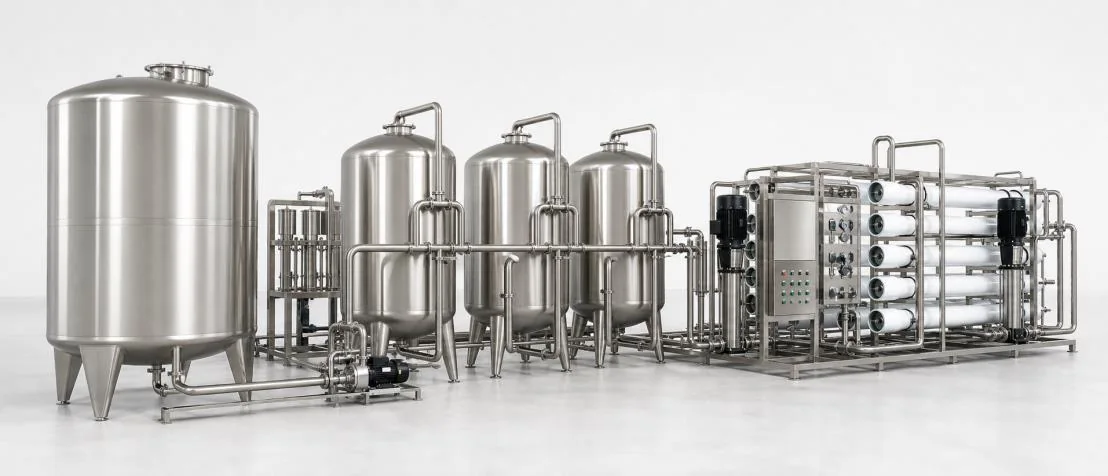
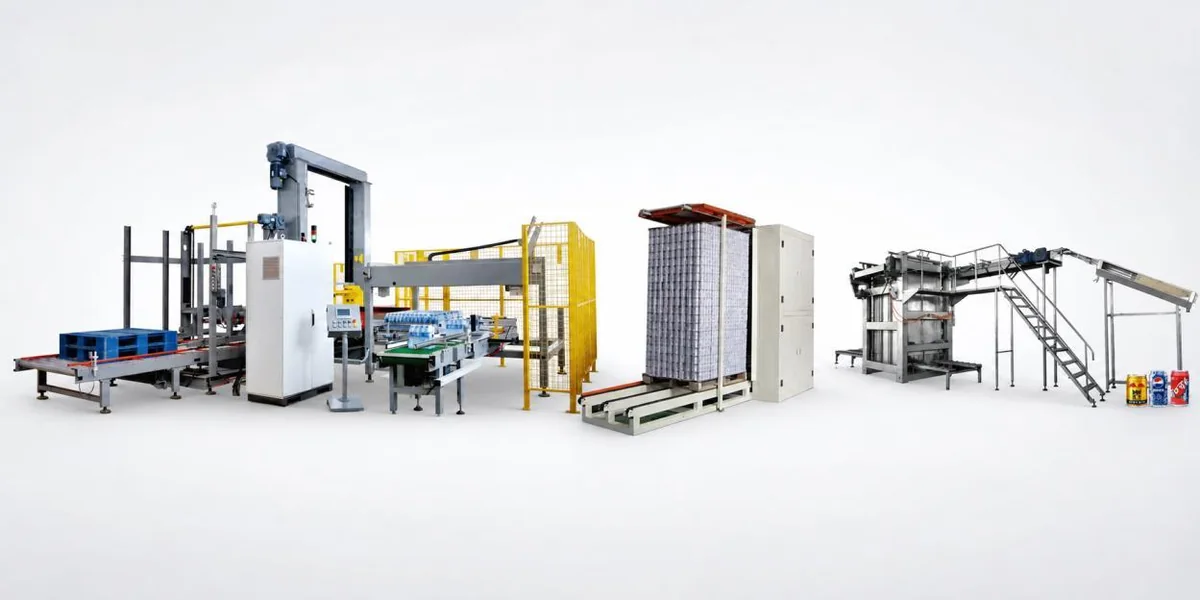
The Line Is Installed, but the Trial Cannot Start: What Should You Check?
Start with the missing decision, not the overall completion percentage. The situations below are review prompts, not diagnoses of your factory. Record the actual condition before choosing the next action.
| Unresolved problem | Evidence to check | Next decision |
|---|---|---|
| Commissioning is signed off, but product checks remain open | The sign-off scope, trial plan, required quality records and named product-disposition authority | Keep technical completion separate from permission for the trial and release of its bottles. Obtain the outstanding site decision. |
| A different cap or label lot arrives | Delivered lot identity, current approved references and the required incoming-material record | Keep the affected material under the site's status controls until reviewed. Do not assume the previous lot's approval transfers. |
| The trained operator is absent from the trial shift | The replacement person's task authorization, competence evidence and available escalation contacts | Confirm authorized cover for each required task. A training attendance list alone does not establish that the shift is ready. |
Use approved site procedures and qualified personnel for safety, technical and quality decisions. This guide does not authorize machine operation or establish regulatory compliance.
First trial · evidence the operating team can use
What Should Be in a Water Bottling Factory Startup Record?
Record the product, format, batch, planned activity and document revision first. Then complete the checks below against approved site instructions. A completed scorecard is a planning aid; authorized site personnel decide whether the defined activity can proceed.
| Before the trial | Evidence to record | When the evidence is missing |
|---|---|---|
| Product and package identity | Approved water-product basis; current bottle, cap, label, code and pack references; planned batch | Resolve conflicting revisions before issuing materials or preparing the format |
| Equipment and safety handover | Completed installation and safety checks, operating instructions, open-item list and responsible technical sign-off | Keep the dependent activity on hold; only qualified personnel may release technical or safety work |
| Utilities during operation | Recorded water, air and power conditions under the agreed operating test, with instrument and time references | Assign the missing operating-load check; an installed compressor or pump alone is not evidence |
| Cleaning and line clearance | Approved cleaning record, verification reference, area status and removal of previous labels or materials | Keep product and affected equipment within the site hold procedure until reviewed |
| People and shift cover | Named operators, task-specific training evidence, quality and maintenance contacts, escalation arrangements | Restrict tasks to authorized people and close uncovered responsibilities before the trial |
| Material status and quantity | Approved packaging lots, quantities issued, available trial stock and identification of rejected or quarantined materials | Segregate uncertain lots and confirm the missing stock or approval |
| Product checks and disposition | Approved sampling instructions, record forms, required results and the person authorized to decide product status | Do not count held bottles as released production while the decision remains open |
| Trial closure and next shift | Produced, rejected, held and released quantities; downtime; unresolved actions; named handover owner | Retain the affected status and actions until a documented closure or controlled handover exists |
The CSV is a blank editable record with example check areas, not a completed inspection or an approved regulatory form. Add your site-specific criteria, evidence references and authorization requirements before use.
Evidence review · more than a checked box
How Do You Check Whether Startup Evidence Is Usable?
A document can exist without answering the decision in front of the team. Before marking an item Confirmed, check that its scope, revision, observed conditions and approval match the planned activity. Record the source reference so the next reviewer can find the same evidence.
| Review question | What to compare | If the match is incomplete |
|---|---|---|
| Does it cover this product and format? | Product identity, bottle and closure references, pack configuration and the proposed trial scope | Keep the uncovered format or material dependency open; evidence for one configuration does not automatically cover another |
| Is it the current controlled version? | Record revision, approved settings, recent changes and the version available to the operating team | Resolve the version conflict and retain the superseded reference in the change history |
| Were the relevant conditions observed? | Test date, instrument reference, equipment state and the operating conditions described in the record | Name the missing observation instead of treating an unloaded or unrelated check as operating evidence |
| Is the decision traceable to an authorized role? | Who performed the check, who reviewed it, their responsibility and any remaining conditions | Route the decision to the designated site authority; supplier attendance alone is not a release decision |
| Can the next shift act on it? | Current status, affected activity, open-action owner and the location of the supporting record | Clarify the work boundary and handover record before a later shift relies on the status |
These are review questions, not universal acceptance limits. Site-approved procedures and qualified personnel determine the technical, safety and product-quality criteria. Do not energize or operate equipment on the basis of this webpage.
Illustrative scenario · not a customer case study
Example: Most Checks Are Complete, but a Packaging Lot Is Still Unconfirmed
Imagine a planned trial for one approved bottle format. The team has records for training, cleaning and equipment handover, but the cap lot delivered for the trial has not completed the required site material review. The earlier material record refers to a different lot. This fictional example shows how to keep one unresolved dependency visible; it reports no Allot Tech installation or performance result.
| Gate-record field | Illustrative entry | Decision purpose |
|---|---|---|
| Observation and scope | The delivered cap lot lacks the required review record for the planned trial | Describe the missing evidence without claiming that the caps are defective |
| Affected activity and status | Use of that lot remains on hold under the site material-control procedure | Do not convert a high overall readiness score into permission to use unconfirmed material |
| Owner and next evidence | The designated material-quality owner reviews lot identity, approved references and required inspection records | Make the next action specific; a due date alone does not close the item |
| Closure and authorization | Record the disposition reference and authorized decision before reconsidering the affected trial | Keep the observed facts separate from the decision and its approval |
| Later product disposition | Any product subsequently made follows its own batch checks and release process | Closing the material item does not itself release finished bottles for dispatch |
A readiness record should show what is still unknown, not manufacture a pass. If evidence conflicts or a safety or quality concern remains, retain the affected hold and escalate under the approved site procedure.
Change control · readiness has a defined scope
When Should You Recheck the Factory Readiness Record?
Keep the original gate record and review what a change invalidates. A prior approval is useful evidence only within its documented scope. The responsible site team decides which checks need repetition and whether the affected activity must remain on hold.
- Product or package change: compare the new bottle, closure, label and pack references with the approved trial basis; flag any dependency not covered by the earlier review.
- Equipment repair or setting change: link the maintenance or change record and identify the operating checks required before the changed state is accepted.
- Utility interruption or changed load: retain the event record and have the responsible technical team determine whether the previous operating-condition evidence still applies.
- Cleaning interruption or unresolved verification: retain equipment and product status until the required site review is complete; do not invent a universal cleaning interval.
- People or shift-cover change: verify the tasks the replacement team is authorized to perform, including escalation contacts; attendance at training is not the same as demonstrated competence.
- New deviation or conflicting record: link the issue to the affected gate, owner and product status, and identify what evidence is needed before the decision can be reconsidered.
Practical startup questions
Questions to Resolve Before the First Production Trial
Use the checklist to organize questions and supporting records. It cannot replace the approvals, project-specific acceptance conditions or qualified reviews required at your factory.
Is supplier commissioning sign-off enough to start normal production?
Not by itself. Confirm its exact scope and remaining exclusions, then check operating ownership, trained shift cover, material status and the product-control records required by the site. Use the separate handover guide for the detailed transfer into routine operations.
Can a planned closure date make an open item Confirmed?
No. Record the due point and responsible owner, but keep the item open until the required evidence and authorized decision exist. The work boundary must remain explicit while the item is unresolved.
Does permission to run a trial allow its bottles to be sold?
No. Authorization for a defined trial and disposition of the resulting product are separate decisions. Keep the trial batch identifiable and retain its status until the responsible site authority records the release or other disposition.
What should we prepare for an Allot Tech factory-readiness discussion?
Provide the current stage, intended trial, product and package references, equipment scope, open-item list and available evidence. Summarize missing information clearly. Remove confidential customer details that are not needed for the discussion.
Go, conditional go or stop · evidence gate
Turn a Readiness Score into an Actionable Gate Decision
A percentage alone cannot release a factory stage. Review critical gaps by decision owner, record the evidence and state whether work may proceed, may proceed under a controlled condition or must stop.
| Readiness state | Decision meaning | Minimum record | Next route |
|---|---|---|---|
| Confirmed | Current evidence meets the defined requirement for this gate | Evidence reference, reviewer and date | Carry the evidence into the next stage |
| Partially confirmed | Useful evidence exists but a named gap remains | Gap, risk, owner, due date and permitted work boundary | Close the gap or approve a controlled condition |
| Not confirmed | The team cannot demonstrate the required condition | Missing input, affected work and escalation owner | Stop the dependent activity until resolved |
| Not applicable | The requirement is outside the confirmed project or product boundary | Written rationale and approving role | Retain the decision for later review |
Factory readiness scorecard
Review ten dimensions
Select the status supported by your current evidence. Not applicable is excluded from scoring but must have a justified basis.
Your preliminary readiness result will appear here
The result explains the status, confirmed areas, gaps and confirmation owners; it does not provide certification or final approval.
01 · Buyer or factory inputs
Information the decision needs
- Current project stage
- Controlled product and package information
- Site and utility readiness evidence
- Equipment status and open-item list
- Training, quality, maintenance and warehouse records
02 · Operating objective
What completion should achieve
Create an explainable readiness status that distinguishes complete items, partial items, missing items and non-applicable items without hiding a critical gap inside an average percentage.
03 · Required controls
Turn the objective into controlled work
- 01
Review all ten dimensions with the relevant owner
- 02
Use Confirmed only when objective evidence exists
- 03
Record partially confirmed items as open actions
- 04
Treat a Not confirmed safety, quality or utility dependency as a gate issue
- 05
Revisit the scorecard when the project stage or approved scope changes
04 · Factory interfaces
What connects to this decision
- Product definition sets packaging, equipment and quality inputs
- Utility and site status controls commissioning sequence
- People and documentation determine whether equipment can be operated safely and consistently
- Warehouse and material status control whether trial output can be released and stored
05 · Evidence to collect
Records that make review possible
- Approved drawings and specifications
- Connection and installation checklists
- Utility measurements under relevant conditions
- Training attendance and authorization
- Sampling, test and release records
- Maintenance plan and critical-spares list
- Warehouse status and traceability records
06 · Common failure modes
Do not confuse a pattern with a confirmed cause
1Scoring from verbal assurance without evidence
2Using Not applicable to avoid an unresolved responsibility
3Averaging away one critical missing gate
4Failing to update the score after a scope or bottle change
5Treating the result as regulatory or engineering approval
07 · Responsibility boundary
Name who confirms each part
| Role | Possible responsibility in this stage |
|---|---|
| Factory project manager | Coordinate the register, owners, due points and gate decisions. |
| Equipment and utility suppliers | Confirm the interfaces and evidence within their written scopes. |
| Quality and local professionals | Confirm test, release and jurisdiction-specific obligations. |
| Allot Tech | Review submitted status and identify project-specific questions without replacing local approval. |
08 · Completion criteria
Evidence that the stage can advance
- Every dimension has a justified status
- Critical gaps name an owner and next evidence
- Supplier and local-professional confirmations are separated
- The next gate decision is explicit
- A copy of the result can be attached to the factory review
Contact and support
Questions operating teams ask
Is a high percentage enough to start production?
Not necessarily. One unresolved safety, product-release, utility or material interface can stop a release even when many other items are complete.
What does Partially confirmed mean?
Some evidence exists, but the item still has an open input, approval, owner, test or completion condition.
Who should approve Not applicable?
The relevant project owner should document why the item does not apply to the approved product and scope. It should not be used as a shortcut for an unknown.
What should an unresolved startup item record?
Name the affected activity, observed gap, responsible person, required evidence and review point. Retain the status until the designated authority records a decision; a planned completion date is not proof of closure.
Must the whole checklist be repeated after every change?
Identify which earlier evidence the change affects, then let the responsible site team define the recheck scope. Preserve the original record and link the new decision instead of silently replacing the earlier approval.
Editorial responsibility: Allot Tech (Suzhou) Co., Ltd. · Last updated .