
Project route · concept to controlled production
How to Start a Water Bottling Factory: Cost, Equipment and Setup Decisions
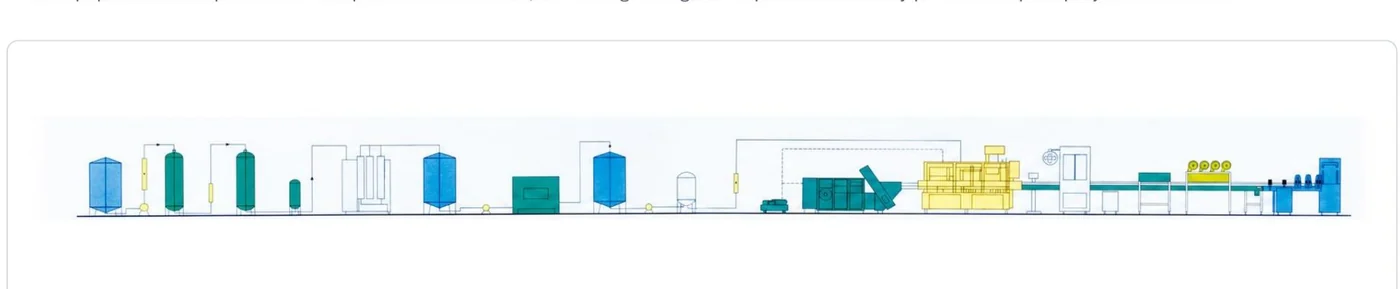
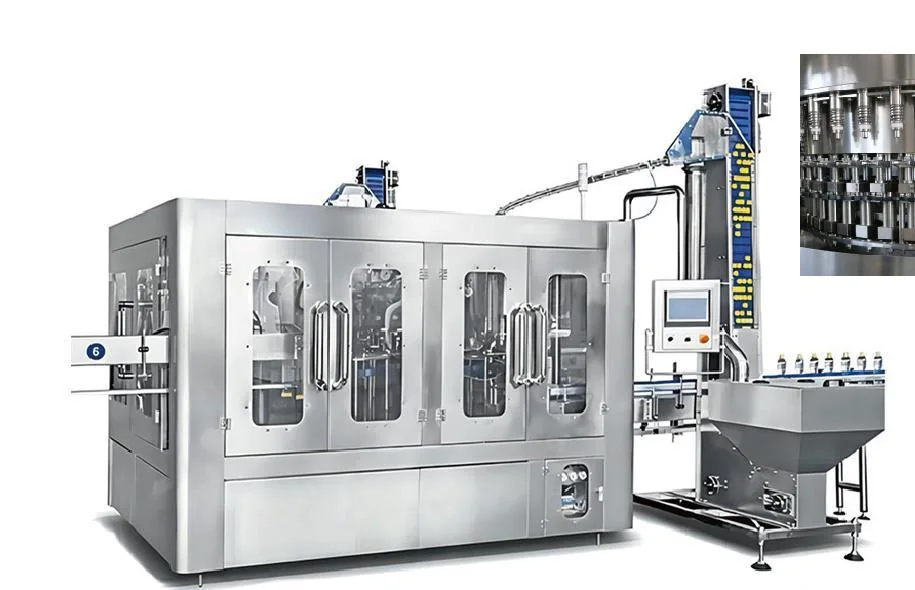
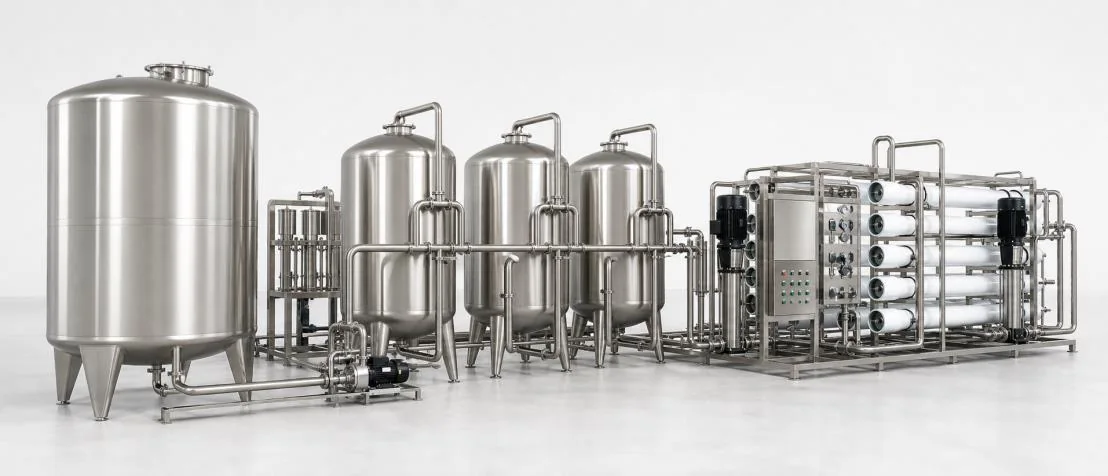
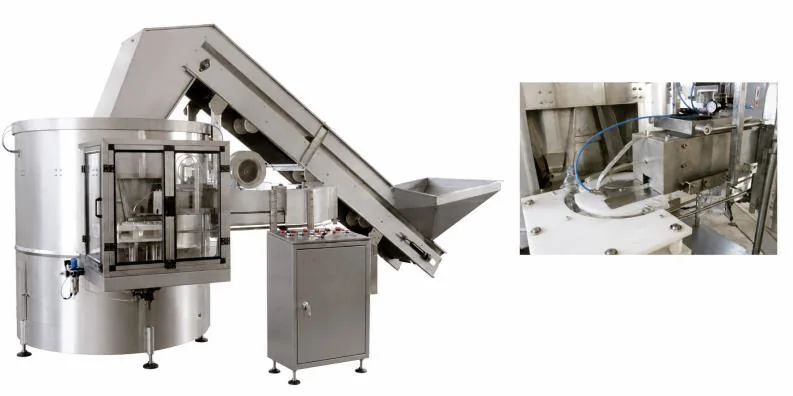
A water bottling factory startup budget must combine the complete equipment boundary with the building, utilities, logistics, installation, quality, materials, spares and working capital required for saleable production.
Capital budget · complete startup boundary
How Much Does It Cost to Start a Water Bottling Factory?
There is no responsible universal price for a water bottling factory. Capacity is only one input. Build the budget from a controlled project boundary, label every allowance and keep supplier quotations separate from buyer-side, local and operating-cash requirements.
Working formulaTotal startup budget = equipment scope + factory and utilities + logistics and local charges + installation and commissioning + quality and startup materials + spares and working capital
| Budget block | Questions that control the amount | Evidence to request | Why quotations differ |
|---|---|---|---|
| Source water and treatment | What is the water analysis, intended product-water basis, treatment flow and recovery? | Process description, design basis, equipment list, consumables and reject-water boundary | Different raw water can require different pretreatment, membranes, disinfection, storage and waste handling |
| Bottle supply | Will the factory buy empty bottles, make PET bottles from preforms or wash returnable containers? | Bottle/preform drawings, blow-molding or washing scope, molds, air demand and approved samples | Each route changes machinery, utilities, floor space, labor and packaging inventory |
| Filling center | Which product, bottle volumes, closures, hygiene basis and output are required? | Itemized machine configuration, format range, change parts and stated rated conditions | A small linear filler, rotary monoblock and high-speed integrated line have different boundaries |
| Labeling, coding and inspection | Which label material, code content, inspection points and reject logic are needed? | Machine model basis, sensors, printers, consumables and line-speed confirmation | A filler-only price can omit the equipment needed to release a saleable bottle |
| Secondary packing and pallet handling | What pack pattern, film or carton, pallet pattern and warehouse route are required? | Pack samples, equipment list, change parts, pallet layout and manual-work assumptions | Manual, semi-automatic and automatic end-of-line routes produce very different project totals |
| Utilities and support systems | What power, compressed air, cooling, CIP, drainage, laboratory and workshop systems already exist? | Operating loads, qualities, terminal points, simultaneous demand and explicit exclusions | Missing compressors, dryers, chillers, electrical distribution or laboratory scope appears later as buyer cost |
| Building and local works | Is the building ready for access, hygiene zoning, floor load, drainage, ventilation and material flow? | Controlled layout, load schedule, civil interface list and local contractor quotations | The same equipment can require very different site preparation in different factories |
| Freight, duties and delivery | What is the destination, Incoterm, container plan, insurance and import basis? | Packing list estimate, shipping boundary and buyer-confirmed local tax or duty advice | Machine price is not landed project cost, and local charges are jurisdiction-specific |
| Installation, commissioning and acceptance | Who supplies labor, tools, travel, materials, utilities, training and performance-test support? | Responsibility matrix, duration assumptions, acceptance method and priced service boundary | Vague startup support creates late travel, labor, material and retest costs |
| Spares, materials and working capital | What must be available before the first controlled production campaign? | Critical spares list, startup quantities, packaging inventory and local cash-flow model | A machine can be installed while the factory still lacks the materials and cash needed to operate |
Project sequence · ten controlled decisions
From Water-Bottling Business Idea to Released Product
The sequence is iterative, but skipping an early basis usually creates expensive changes later. Each step should finish with evidence that can be passed to the next owner.
1. Define product and market
Record the intended water product, destination, pack formats and who is responsible for local regulatory confirmation. Do not select treatment solely from a generic machine list.
2. Analyze the source water
Collect a representative water analysis and seasonal context where available. Use it to develop the process basis, recovery assumptions, storage and reject-water route.
3. Freeze the commercial package
Control bottle volume, resin route, preform or empty bottle, neck finish, cap, label, date code and final pack. Drawings and approved samples are stronger than descriptions.
4. Translate demand into saleable output
Convert monthly demand into shifts, net hours, formats and released bottles. Model planned stops, availability, running loss and quality yield with your own evidence.
5. Establish the site basis
Confirm room dimensions, flow, access, hygiene zoning, floor loading, drainage, ambient conditions, storage and the planned utility distribution.
6. Issue one request-for-quotation basis
Send every supplier the same product, package, output, site, utility, service and acceptance inputs. Maintain an open-item register instead of hiding unknowns.
7. Compare complete boundaries
Normalize inclusions, exclusions, interface loads, change parts, documentation, spares, installation, commissioning, training and test responsibilities—not only machine price.
8. Prepare the factory while equipment is built
Close access, civil, drainage, utility, laboratory, recruitment, material and warehouse actions against the latest controlled drawings.
9. Commission in stages
Verify installation, safety, utilities and individual modules before the connected line. Record settings, deviations, temporary measures and retest evidence.
10. Prove repeatable release
Run controlled trials, trace materials, record downtime and rejects, disposition every bottle and demonstrate that normal shifts can repeat the result.
RFQ preparation · make quotations comparable
What to Send a Water Bottling Equipment Supplier
A strong inquiry does not need every answer, but it must identify which inputs are confirmed, provisional or still open.
| Input package | Useful evidence | Decision it controls |
|---|---|---|
| Product and water | Product description, source-water report and target quality basis | Treatment path, storage and hygienic interfaces |
| Container and closure | Bottle/preform, neck, cap and label drawings or samples | Change parts, blowing, filling, capping and decoration fit |
| Output requirement | BPH by bottle size, shift calendar and monthly demand | Line capacity, accumulation and staffing scenario |
| Factory information | Dimensioned layout, access photos, clear height and floor/drain status | Footprint, orientation, installation and material flow |
| Utilities | Voltage/frequency/phase, air systems, water and drainage status | Loads, equipment boundary and local contractor work |
| Commercial boundary | Incoterm, destination, service expectations and target schedule | Freight, installation, commissioning, spares and acceptance scope |
01 · Buyer or factory inputs
Information the decision needs
- Intended product definition and target market
- Source-water information and available analysis
- Bottle volumes, materials, neck finish, cap, label and final pack concept
- Required bottles per hour, per day and per month
- Factory status and available dimensions
- Power, voltage, frequency, phase, air, water and drainage status
- Equipment already quoted, ordered or delivered
- Planned startup date and destination jurisdiction
02 · Operating objective
What completion should achieve
Create a staged project basis in which every next decision uses controlled inputs and the factory cannot advance to commercial release while critical safety, quality, utility, material or operating gaps remain open.
03 · Required controls
Turn the objective into controlled work
- 01
Freeze the current product and package basis with version control
- 02
Translate commercial output into a shift and saleable-output basis
- 03
Separate building and utility planning from machine supply
- 04
Define buyer, supplier, contractor, laboratory and local-authority responsibilities
- 05
Maintain an open-input register rather than silently filling gaps with assumptions
- 06
Prepare operator, maintenance, quality and warehouse roles before trial production
- 07
Use stage-gate approval for installation, functional checks, materials, trial and release
04 · Factory interfaces
What connects to this decision
- Source-water and treatment basis must connect to intended product and local requirements
- Bottle, preform, cap and label data must connect to blowing, filling, capping, labeling and packing equipment
- Factory access, floor, drainage and utilities must connect to installation and operating loads
- Output targets must connect to upstream supply, downstream packing, labor, storage and dispatch
- Quality methods and release authority must connect to the planned production and traceability records
05 · Evidence to collect
Records that make review possible
- Product and package specification drafts
- Raw-water analysis where available
- Bottle, neck and cap drawings
- Factory layout and utility schedule
- Equipment quotations and responsibility lists
- Startup schedule and named role matrix
- Local professional advice and authority correspondence where applicable
06 · Common failure modes
Do not confuse a pattern with a confirmed cause
1Treating a machine quotation as a complete factory definition
2Choosing BPH before defining bottle formats and operating schedule
3Starting building work without controlled equipment interfaces
4Ordering packaging materials before drawings and machine compatibility are confirmed
5Leaving operator, laboratory, warehouse or maintenance preparation until equipment arrives
07 · Responsibility boundary
Name who confirms each part
| Role | Possible responsibility in this stage |
|---|---|
| Buyer / project owner | Confirm the business, product, market, site, funding, local approvals and decision authority. |
| Equipment suppliers | Confirm project-specific machine scope, inputs, outputs, utilities, documents and acceptance conditions. |
| Local professionals and authorities | Confirm building, water-source, product, labeling, testing, permit and operating requirements. |
| Allot Tech | Collect inputs, separate confirmed data from assumptions and coordinate selected equipment or project resources within an agreed scope. |
08 · Completion criteria
Evidence that the stage can advance
- The current lifecycle stage is explicit
- Confirmed inputs and missing inputs are recorded separately
- Every major scope has a named owner
- The next gate has measurable evidence requirements
- Project-specific technical and commercial decisions are documented before commitment
Contact and support
Questions operating teams ask
What are the main steps for starting a water bottling factory?
Define the product and market, confirm the source-water basis, freeze bottle and packaging inputs, convert demand into a saleable-output target, prepare the site and utilities, confirm the equipment boundary, install and commission the line, complete a controlled trial run, close critical gaps and authorize commercial production.
What should be decided before asking equipment suppliers for quotations?
Confirm the project country, product and water basis, bottle formats, cap and label interfaces, final pack, required output, operating schedule, available factory conditions, utilities, existing equipment and responsibility boundaries. Unknowns should be marked for confirmation instead of silently assumed.
Should equipment be selected before the factory basis is defined?
A preliminary concept can start in parallel, but the final technical and commercial scope needs controlled product, bottle, output, utility and responsibility inputs.
Does this route replace local engineering or legal review?
No. Local professionals and competent authorities should confirm jurisdiction-specific permits, building, water-source, product, labeling, testing and operating obligations.
When is a factory ready for commercial production?
Only after the agreed installation, safety, functional, training, material, quality, trial-production and open-issue gates have recorded evidence and authorized release.
How much does it cost to start a water bottling factory?
There is no universal responsible figure. The budget changes with source-water treatment, bottle route, output, automation, factory condition, utilities, labeling and packing, destination, service boundary, acceptance method, spares and working capital. Compare itemized project boundaries rather than headline machine prices.
Is a water bottling machine price the same as the factory startup cost?
No. A machine price can exclude water treatment, bottle supply, conveyors, labeling, coding, packing, compressors, electrical distribution, civil work, freight, duties, installation, commissioning, laboratory support, startup materials, spares and operating cash.
Editorial responsibility: Allot Tech (Suzhou) Co., Ltd. · Last updated .