
Factory operating control
Run Water Treatment as a Daily Product-Control System
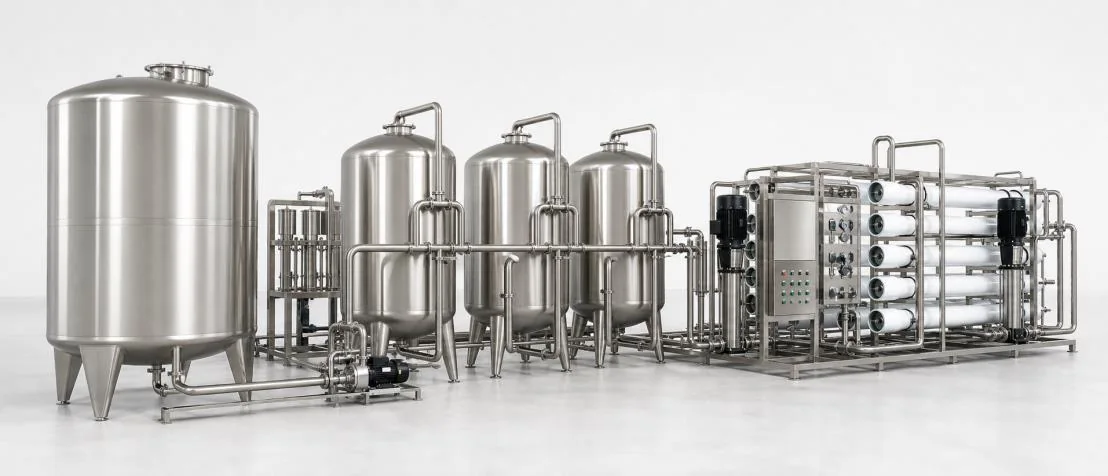
Daily water-treatment control should connect current source-water evidence, the approved process, operating readings, chemical and consumable status, cleaning or regeneration, treated-water storage, distribution and the factory product-release decision. A visually normal system is not enough.

01 · Buyer or factory inputs
Information the decision needs
- Approved source and product-water basis
- Process flow, equipment manuals and tagged instruments
- Sampling plan and current laboratory capability
- Chemical, filter, membrane and UV or ozone status
- Tank and distribution-loop condition
- Alarm, diversion, hold and escalation rules
02 · Operating objective
What completion should achieve
Supply product water within the factory-defined basis, detect changes early and maintain traceable status from source through storage to filler.
03 · Required controls
Turn the objective into controlled work
- 01
Confirm source condition and review relevant trend or analysis changes
- 02
Record stage readings at defined frequency and operating state
- 03
Verify chemical identity, concentration, lot and dosing condition
- 04
Control backwash, regeneration, membrane cleaning and sanitization through approved triggers
- 05
Protect treated-water tanks, vents, overflow and distribution hygiene
- 06
Link abnormal readings to hold, investigation, resampling and release decisions
04 · Factory interfaces
What connects to this decision
- Source water to treatment configuration
- Treatment output to product-water storage
- Instrument readings to laboratory verification
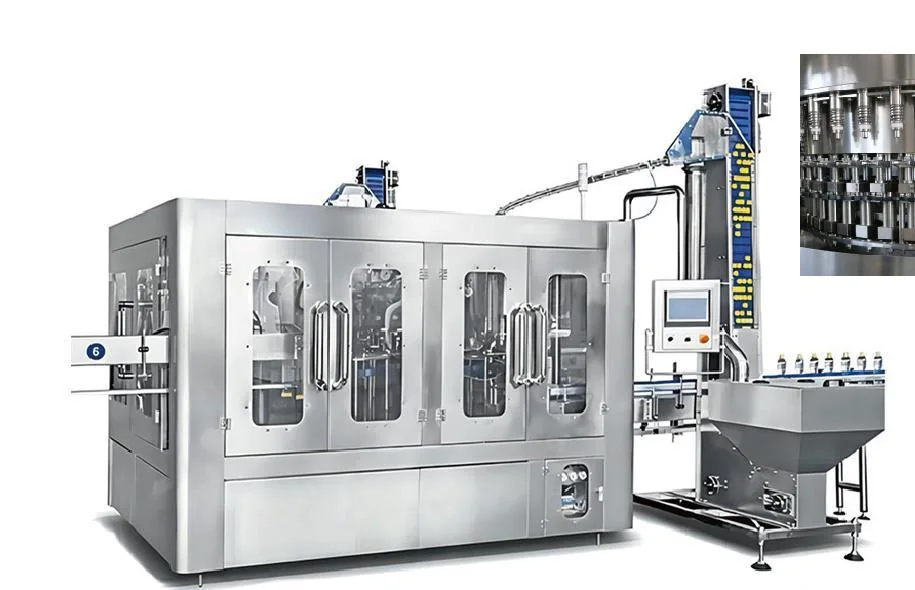
- Tank and loop status to filler availability
- Treatment waste streams to authorized drainage route
05 · Evidence to collect
Records that make review possible
- Daily treatment operating log
- Instrument calibration and verification status
- Chemical and consumable traceability
- Cleaning, regeneration or sanitization records
- Product-water sample and release disposition
06 · Common failure modes
Do not confuse a pattern with a confirmed cause
1Readings are copied without identifying the actual operating state
2Consumables are changed by calendar only while condition evidence is ignored
3A tank or loop hygiene issue is treated as a treatment-skid issue only
4Out-of-range data lacks product hold and disposition
07 · Responsibility boundary
Name who confirms each part
| Role | Possible responsibility in this stage |
|---|---|
| Operations owner | Defines the operating condition, assigns the record and confirms that actions fit the production plan. |
| Quality owner | Defines product-status, sampling, release and escalation controls within the factory system. |
| Maintenance owner | Confirms safe technical work, equipment condition, evidence and restart requirements. |
| Supplier / Allot Tech | Reviews the documented interface or symptom and coordinates project-specific questions within the agreed scope. |
08 · Completion criteria
Evidence that the stage can advance
- Source, process and product-water status are connected
- Readings and samples use controlled methods
- Consumables and interventions are traceable
- Abnormal results trigger defined product control
- The filler receives water with a current authorized status
Contact and support
Questions operating teams ask
Can one treatment setting fit every season?
Source-water variation may require review; changes should follow current analysis and the confirmed product basis.
Who decides whether treated water is acceptable?
The factory should assign this within its quality and operating system using approved methods and local requirements.
Editorial responsibility: Allot Tech (Suzhou) Co., Ltd. · Last updated .