
Interactive diagnostic · investigation, not automatic diagnosis
Identify the Real Bottleneck in a Water Bottling Factory
The slowest visible machine is not always the real factory bottleneck. Start with the symptom timeline, current and target output, bottle format, frequency, downtime, reject and quality-hold evidence, then compare blowing, filling, labeling, packing, conveying, utilities, materials, people and maintenance under the same operating window.
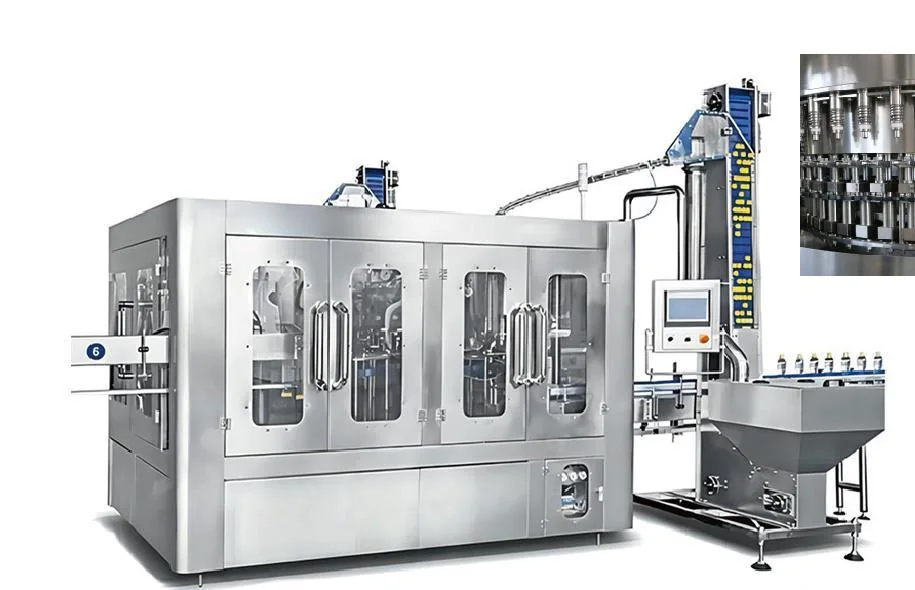
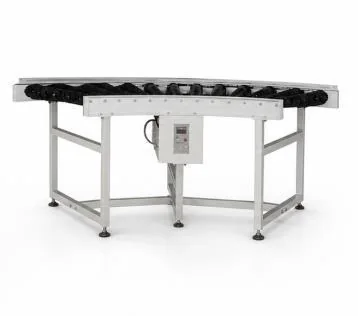
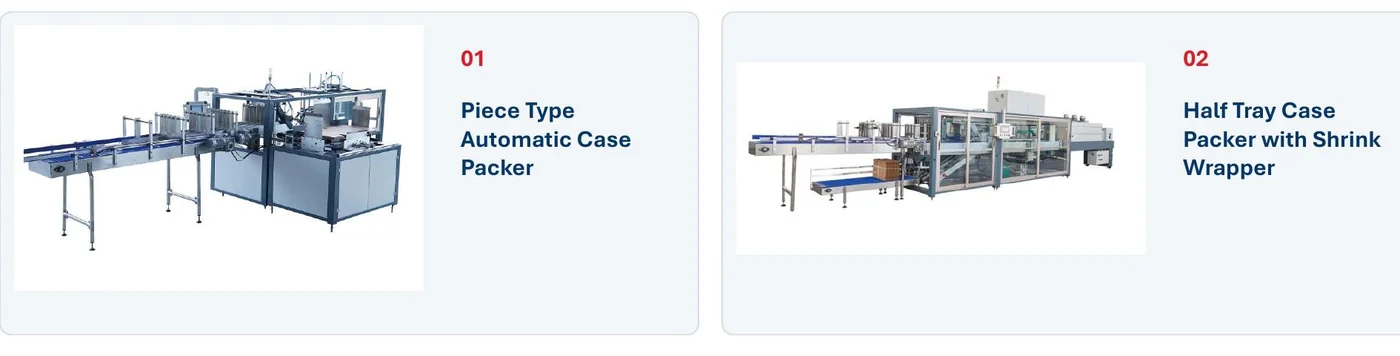
Symptom before solution · aligned evidence
Separate the Observed Constraint from a Suspected Cause
Collect the same time window across production, stops, rejects, utilities and material lots. A recurring location or alarm is a clue, not proof of root cause.
| Observed pattern | Evidence to align | Hypothesis to test | Premature conclusion to avoid |
|---|---|---|---|
| Output falls after startup | Counts, first-stop sequence, utility trends and temperature | Time-dependent utility, material or setting effect | The filler is too slow |
| Stops follow material-lot change | Lot IDs, retained samples, settings and reject pattern | Material variation interacting with current setup | The new lot is defective |
| Packer repeatedly starves or blocks | Upstream/downstream states, accumulation and first stop | Line balance or recovery behavior | The conveyor needs higher speed |
| Quality holds reduce saleable output | Produced, rejected, held, released counts and check times | Process or release constraint | Nameplate speed must increase |
Factory bottleneck diagnostic
Build an investigation brief
The result identifies investigation categories and evidence to collect. It does not make an automatic engineering diagnosis.
Investigation categories will appear here
Include the generated result with safe photos, video, downtime or reject evidence when requesting technical review.
01 · Buyer or factory inputs
Information the decision needs
- Selected line area and observed symptom
- Frequency and time pattern
- Current and target BPH on the same basis
- Bottle size and format
- When the problem occurs
- Downtime, reject and quality-hold records
- Photos, videos, settings and utility readings where safe to collect
02 · Operating objective
What completion should achieve
Produce a structured investigation brief that names possible categories and required evidence without claiming a root cause before qualified review.
03 · Required controls
Turn the objective into controlled work
- 01
Define the symptom in observable terms
- 02
Use synchronized time periods for upstream and downstream counts
- 03
Separate planned stops, faults, speed loss, rejects and holds
- 04
Record material lot and operator/shift context
- 05
Check utilities under load rather than from nameplate supply only
- 06
Preserve settings and alarm history before adjustments
- 07
Ask the responsible supplier focused questions supported by evidence
04 · Factory interfaces
What connects to this decision
- Blower output and accumulation to filler infeed
- Filler discharge and wet bottle condition to labeling
- Labeling and coding output to packing
- Packing discharge to handling and warehouse capacity
- Utilities, materials, operators and maintenance across every module
- Quality hold and release timing to saleable-output count
05 · Evidence to collect
Records that make review possible
- Time-stamped downtime log
- Counts at agreed line points
- Rejects by type and position
- Alarm and setting record
- Utility pressure, flow or voltage readings where qualified staff can measure safely
- Material lot specifications and inspection results
- Short videos showing the symptom and upstream/downstream state
06 · Common failure modes
Do not confuse a pattern with a confirmed cause
1Changing the filler because it has the highest profile
2Comparing counts from different time windows
3Ignoring quality holds and rework
4Making several adjustments without a change log
5Asking a supplier to diagnose from one photo without operating context
07 · Responsibility boundary
Name who confirms each part
| Role | Possible responsibility in this stage |
|---|---|
| Operations | Define the symptom, time window and production context. |
| Maintenance | Preserve alarms, settings, physical evidence and safe measurements. |
| Quality | Connect rejects and holds to the same batch and time window. |
| Supplier / Allot Tech | Review the structured evidence and confirm the next scoped technical step. |
08 · Completion criteria
Evidence that the stage can advance
- The symptom is repeatable or bounded in time
- Current and target output use the same basis
- Evidence covers relevant upstream, downstream and supporting systems
- Possible categories are separated from confirmed root cause
- The next test or supplier question has an owner
Contact and support
Questions operating teams ask
Why is the filler not always the cause of low output?
The filler can wait for bottles or product water, stop because downstream accumulation is full, run slowly because materials are unstable, or produce held product. Those are factory-system losses.
Can the diagnostic identify a root cause automatically?
No. It organizes investigation categories, evidence and questions. A qualified review of the actual equipment and conditions is required.
What evidence is most useful first?
A clear symptom, same-window current and target counts, frequency, bottle format, downtime and reject records, followed by safe photos or videos and utility or setting evidence.
Editorial responsibility: Allot Tech (Suzhou) Co., Ltd. · Last updated .