
Stage 4 · site and factory readiness
What Must Be Ready Before Water Bottling Equipment Arrives?
Before equipment arrives, the factory needs more than empty floor space. Confirm unloading and access, protected storage, foundations and openings, utility routes and connection points, drainage, installation responsibilities, tools, safety controls, documents, people and a current equipment/interface register.
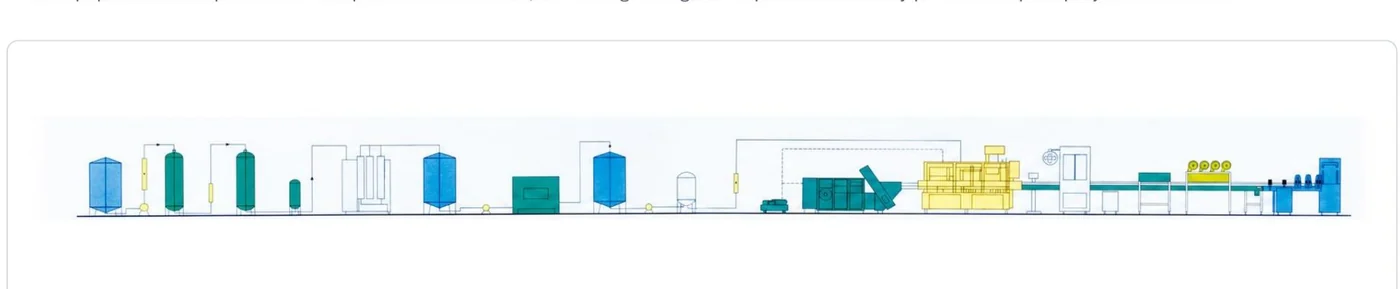
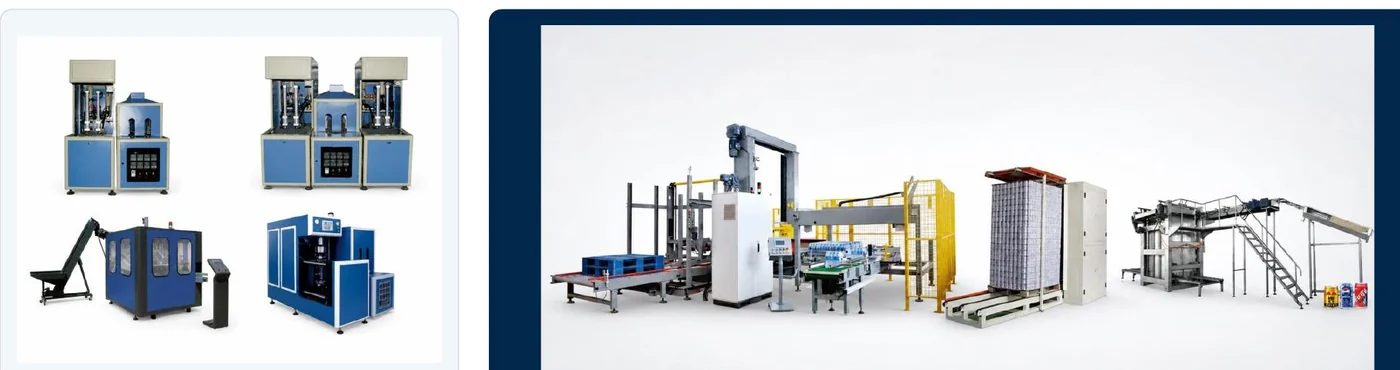
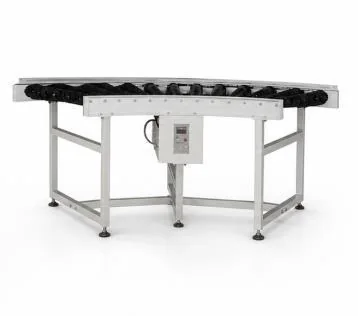
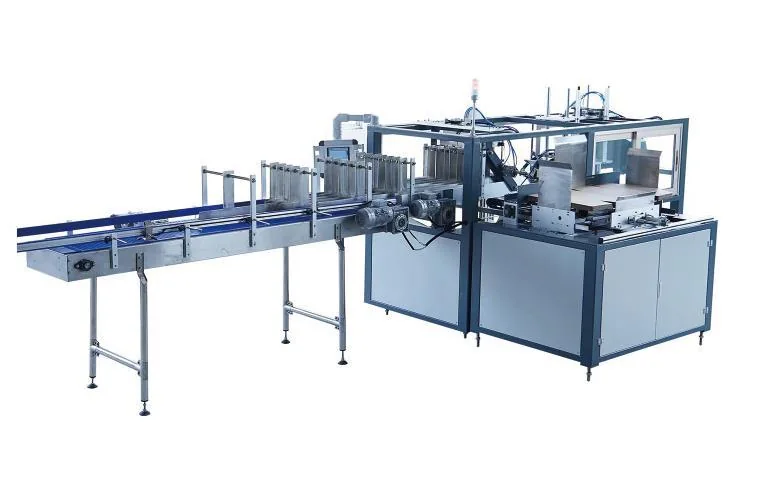
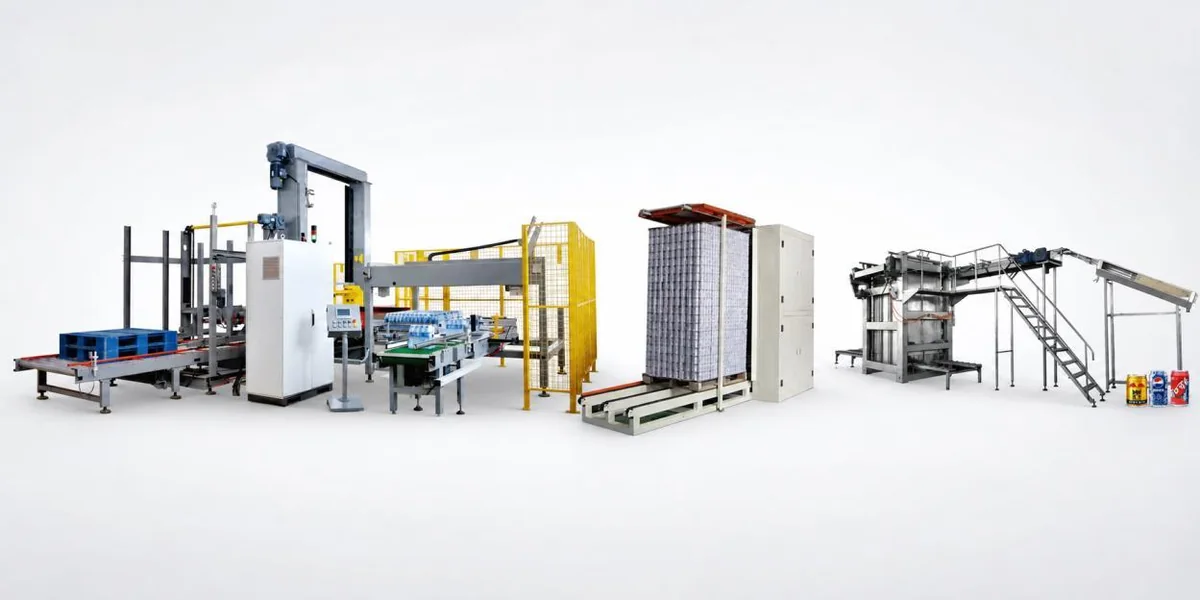
Layout and utilities · inputs that change equipment selection
Water Bottling Factory Layout Questions to Close Before Delivery
A layout is an operating interface document, not a picture of machines placed in a room. Confirm material flow, people, cleaning, maintenance and utility access while changes are still controllable.
| Site input | Confirm before final layout | Equipment or project effect |
|---|---|---|
| Building envelope | Internal dimensions, columns, clear height, doors, roof access and future expansion zones | Machine orientation, lifting, tank height, conveyor route and installation sequence |
| Floor and drainage | Loading, level, finish, trenches, drain points, slopes and wastewater route | Machine bases, hygienic cleaning, pooling risk and civil scope |
| Material flow | Preforms or bottles, caps, labels, packaging, pallets, rejects and waste routes | Warehouse locations, crossings, accumulation and manual handling |
| People and hygiene flow | Changing, handwash, controlled entry, laboratory, toilets and visitor route | Zoning, barriers, access control and contamination risk |
| Utility distribution | Power, low/high-pressure air, water, drainage, cooling and ventilation routes | Terminal points, pipe/cable lengths, pressure loss and contractor boundary |
| Maintenance access | Removal paths, platforms, guarding clearance, spare storage and workshop position | Serviceability, safe isolation and downtime duration |
| Finished-product flow | Pack discharge, palletizing, hold/release zones, warehouse and truck loading | End-of-line capacity and whether upstream machines must stop |
01 · Buyer or factory inputs
Information the decision needs
- Packing list, equipment dimensions and weights from the supplier
- Approved layout and connection-point drawings
- Delivery sequence and unloading method
- Factory access, clear height, floor and opening status
- Power, air, water and drainage interface schedule
- Local installation contractor and supervision scope
- Storage conditions for machines, controls and spare parts
02 · Operating objective
What completion should achieve
Receive, identify, protect and position the equipment without creating avoidable damage, delay, rework or uncontrolled interface changes.
03 · Required controls
Turn the objective into controlled work
- 01
Compare actual access routes and lifting capacity with the confirmed delivery plan
- 02
Mark equipment positions and verify foundations, trenches, drains and openings
- 03
Bring utility routes to approved connection zones without making unconfirmed final connections
- 04
Prepare dry, secure and identified storage for controls, components and spares
- 05
Assign receiving inspection, shortage/damage reporting and document control
- 06
Sequence civil work, utilities and equipment arrival to avoid congestion
- 07
Hold a pre-arrival review with buyer, supplier and local contractor owners
04 · Factory interfaces
What connects to this decision
- Transport pack to unloading and internal movement
- Machine base to floor, anchoring and drainage
- Supplier terminal points to local utility distribution
- Equipment layout to operator access, cleaning and maintenance space
- Delivered parts to packing list, damage record and controlled storage
05 · Evidence to collect
Records that make review possible
- Approved general arrangement
- Foundation and utility drawings
- Packing list and shipping marks
- Site photographs with measurements
- Receiving checklist and shortage/damage log
- Installation responsibility matrix
- Current schedule and open-interface register
06 · Common failure modes
Do not confuse a pattern with a confirmed cause
1Doors, turning radius or clear height cannot accept the delivered equipment
2Drain or utility routes conflict with machine positions
3Electrical conditions differ from confirmed equipment data
4Controls and spare parts are stored in wet or uncontrolled areas
5Unloading occurs without identification, inspection or damage evidence
07 · Responsibility boundary
Name who confirms each part
| Role | Possible responsibility in this stage |
|---|---|
| Buyer / site team | Prepare the building, access, local services, storage and receiving controls. |
| Equipment supplier | Provide confirmed packing, dimensions, drawings and terminal-point data within scope. |
| Local contractor | Execute approved building and utility work and record completion. |
| Allot Tech | Coordinate information and open items according to the agreed project role. |
08 · Completion criteria
Evidence that the stage can advance
- Access and unloading method are confirmed
- Installation areas and interfaces match the latest controlled drawings
- Utilities and drainage have recorded readiness status
- Storage and receiving controls are active
- Open issues have owners and do not block the agreed arrival sequence
Contact and support
Questions operating teams ask
Should every utility be connected before delivery?
Not always. The required state depends on the installation sequence, but approved routes, connection points, capacities, responsibilities and safe temporary arrangements should be controlled.
Who checks transport damage?
The named receiving owner should compare shipping marks and packing lists, preserve photos and documents, and notify the responsible parties under the agreed delivery terms.
Editorial responsibility: Allot Tech (Suzhou) Co., Ltd. · Last updated .