
Asset reliability · prepare evidence and response before failure
Plan Maintenance and Critical Spares Before Commercial Production
Maintenance readiness begins before the line reaches stable production. Build the equipment register, supplier task list, inspection and lubrication plan, safe work controls, work-order history, spare-parts identification, minimum-stock logic and restart checks around the actual machines, operating schedule and local support conditions.
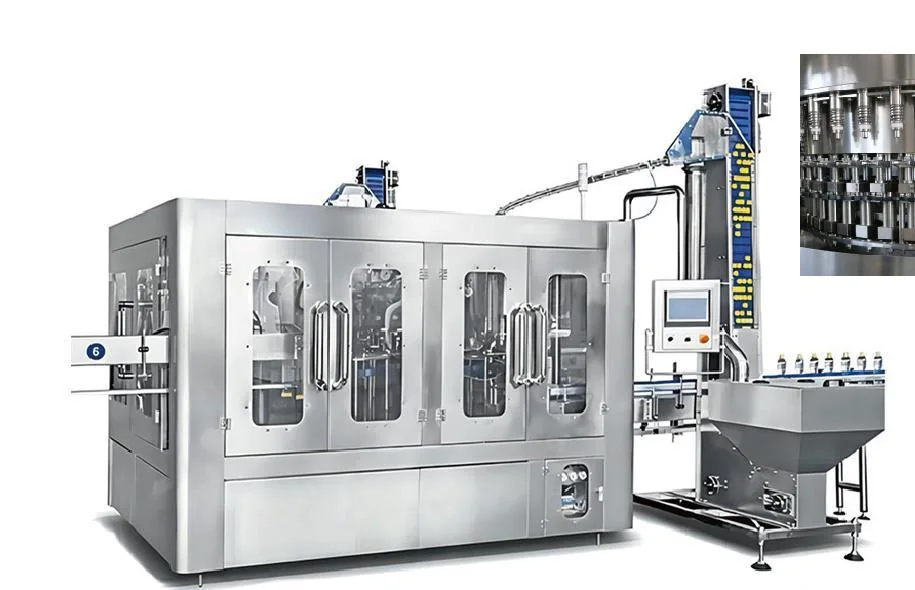
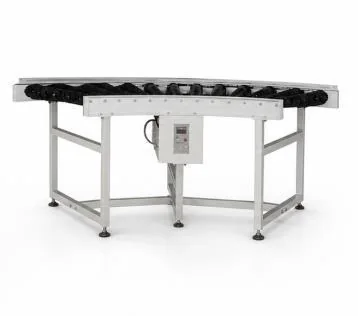
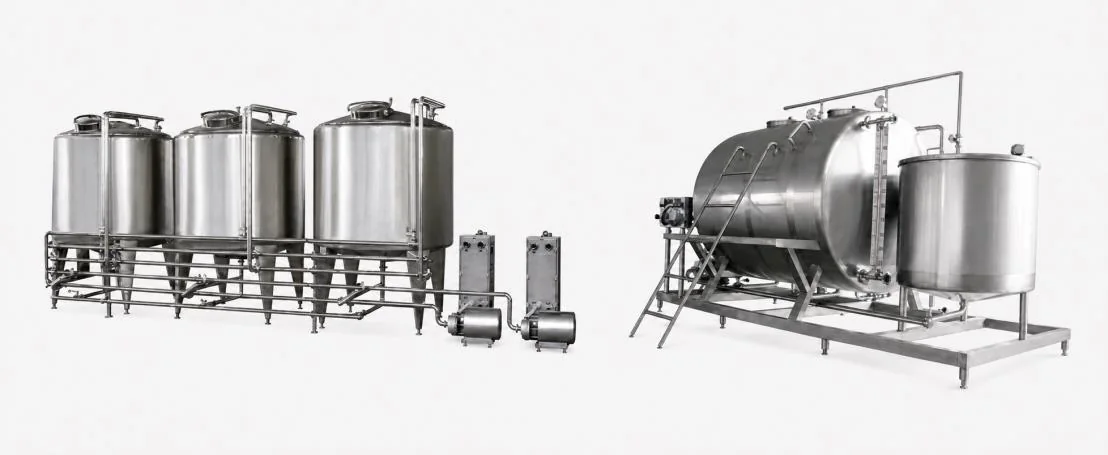
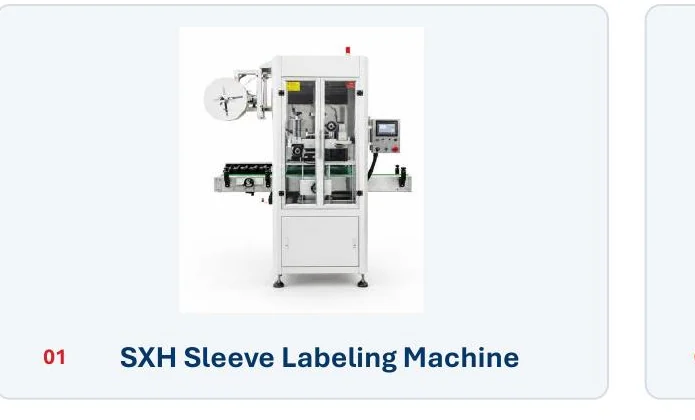
01 · Buyer or factory inputs
Information the decision needs
- Final equipment and component list
- Supplier manuals and recommended tasks
- Operating schedule and planned maintenance windows
- Known wear parts and failure consequences
- Local availability and delivery lead time
- Required tools, skills and safe-isolation controls
- Observed ramp-up faults and replaced parts
02 · Operating objective
What completion should achieve
Prevent avoidable failures, shorten evidence-based recovery and ensure replacement parts are correctly identified, stored, issued and reviewed.
03 · Required controls
Turn the objective into controlled work
- 01
Create one equipment hierarchy and asset identity
- 02
Translate supplier tasks into a site preventive-maintenance schedule
- 03
Record inspections, lubrication, work and findings
- 04
Define safe isolation, intervention and restart checks
- 05
Classify spares by consequence, likelihood, lead time and available workaround
- 06
Verify part identity and storage condition
- 07
Review repeated failures and consumption rather than only restoring operation
04 · Factory interfaces
What connects to this decision
- Production schedule to planned maintenance window
- Alarm and downtime record to work order
- Supplier part number to controlled spare identity
- Maintenance intervention to cleaning and quality release
- Spare issue to stock replenishment and failure history
05 · Evidence to collect
Records that make review possible
- Equipment register
- Preventive-maintenance plan
- Inspection and lubrication record
- Work order and breakdown history
- Critical-spares register and stock status
- Part issue and replenishment record
- Post-maintenance inspection, cleaning and restart release
06 · Common failure modes
Do not confuse a pattern with a confirmed cause
1Buying a generic spare kit without matching final equipment
2Ignoring low-cost items that can stop the complete line
3Using an unrecorded substitute part
4Returning equipment to service without safety, cleaning or functional checks
5Repeatedly repairing the symptom without reviewing failure history
07 · Responsibility boundary
Name who confirms each part
| Role | Possible responsibility in this stage |
|---|---|
| Maintenance manager | Own the asset plan, work control, evidence and spare strategy. |
| Operations | Report symptoms early and protect planned maintenance windows. |
| Warehouse / procurement | Control spare identity, condition, issue and replenishment. |
| Supplier / Allot Tech | Confirm project-specific part references and coordinate agreed support. |
08 · Completion criteria
Evidence that the stage can advance
- The equipment register and task plan match the installed scope
- Critical spares have verified identity and status
- Safe work and restart controls are defined
- Breakdowns and recurring faults are traceable
- Maintenance results feed the production and improvement plan
Contact and support
Questions operating teams ask
Can a universal critical-spares list be used?
No. Criticality depends on the installed equipment, consequence, failure history, lead time, local alternatives and operating plan.
Should catalog part numbers be used for purchase?
Only after the selected supplier confirms the final equipment, component and part identity in project documents.
Editorial responsibility: Allot Tech (Suzhou) Co., Ltd. · Last updated .