
Flow control · warehouse capacity is part of factory output
Control Material Status, Finished Product and Dispatch
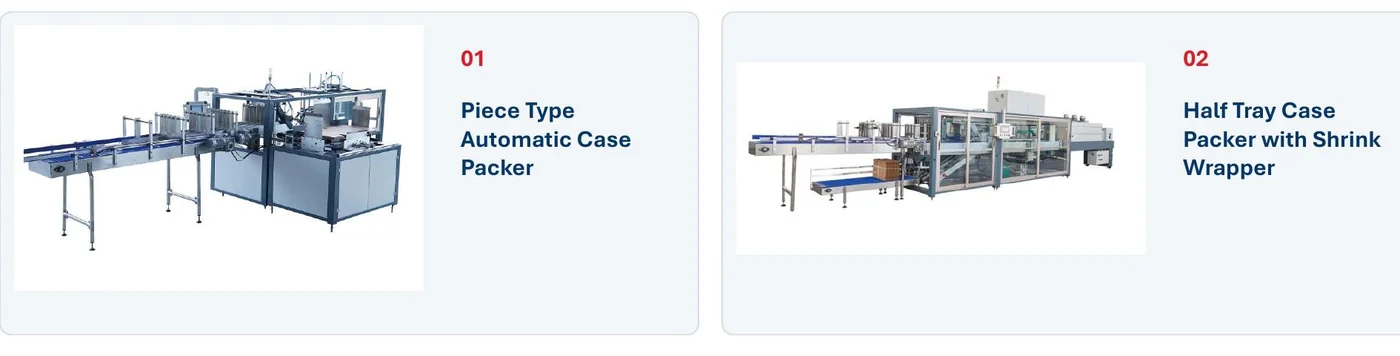
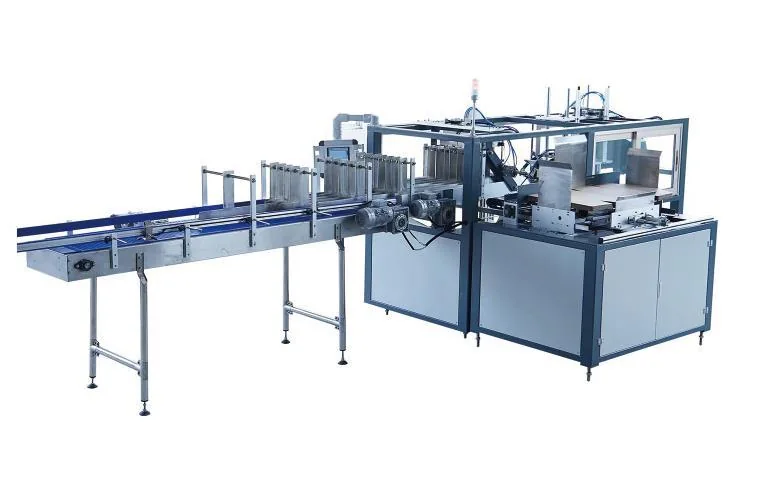
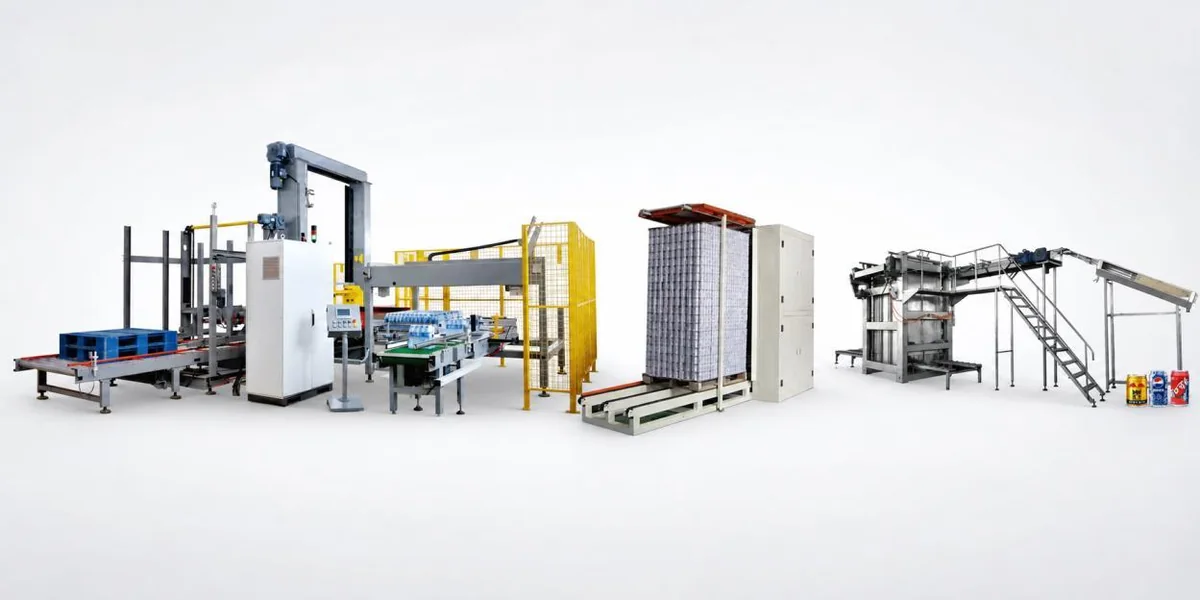
The warehouse connects supplier lots to production and released batches to customers. Define receiving, inspection status, segregation, protected storage, lot issue, returns, quarantine, finished-product hold and release, stock rotation, loading checks and dispatch identity before output increases.
01 · Buyer or factory inputs
Information the decision needs
- Material and finished-pack types and expected quantities
- Lot and batch identification method
- Storage-condition requirements
- Inspection, hold, release and rejection status system
- Production schedule and finished-output scenario
- Material handling and loading equipment
- Dispatch documents and traceability needs
02 · Operating objective
What completion should achieve
Prevent status mix-ups, damage, contamination, untraceable issue and dispatch blockage while preserving the link from incoming lot to released finished batch.
03 · Required controls
Turn the objective into controlled work
- 01
Identify every receipt and inspection status
- 02
Physically and electronically separate released, held, rejected and returned stock
- 03
Protect bottles, preforms, caps, labels and final packs from damage and contamination
- 04
Issue controlled lots to each production order
- 05
Record returns and partial units
- 06
Move finished output into defined hold or released locations
- 07
Verify batch, quantity, condition and authorization before loading
04 · Factory interfaces
What connects to this decision
- Procurement order to material receipt
- Quality status to storage location and issue permission
- Production order to lot issue and return
- Finished-product release to available stock
- Dispatch instruction to loading and traceability record
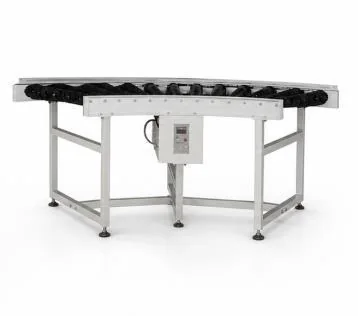
- Output rate to handling space, pallet flow and vehicle schedule
05 · Evidence to collect
Records that make review possible
- Material receipt and inspection status
- Location and stock record
- Material issue and return record
- Quarantine and nonconforming-product record
- Finished-product batch and release status
- Stock movement and rotation record
- Dispatch check and shipment record
06 · Common failure modes
Do not confuse a pattern with a confirmed cause
1Approved and held materials share an uncontrolled area
2Partial lots return without identity
3Finished output blocks the line because handling or storage is full
4Held product is loaded before release
5Dispatch documents cannot trace the finished batch and material lots
07 · Responsibility boundary
Name who confirms each part
| Role | Possible responsibility in this stage |
|---|---|
| Warehouse | Receive, identify, protect, segregate, issue and dispatch stock. |
| Quality | Assign and control inspection, hold, release and rejection status. |
| Production | Use and return the correct lots and identify produced batches. |
| Planning / logistics | Balance production with storage, handling and dispatch capacity. |
08 · Completion criteria
Evidence that the stage can advance
- Status and locations are visible and controlled
- Lot issue and finished batches are traceable
- Materials and product are protected
- Storage and handling can support the planned output
- Dispatch checks confirm released identity and quantity
Contact and support
Questions operating teams ask
Why is warehouse capacity an operating constraint?
If materials cannot be issued or finished product cannot be moved, identified, held, released and stored, upstream equipment must slow or stop.
Should trial product be stored with normal stock?
It should remain under the factory’s defined status and segregation controls until an authorized disposition is recorded.
Editorial responsibility: Allot Tech (Suzhou) Co., Ltd. · Last updated .