
Operating problem review · no automatic root-cause claim
Water Bottling Factory Troubleshooting: Stops, Low Output and Rejects
Describe what can be observed before naming a cause: where the symptom appears, how often, under which product and bottle format, current versus target output, which alarms or stops occur, what changed, which materials are in use and how upstream and downstream equipment behave at the same time.
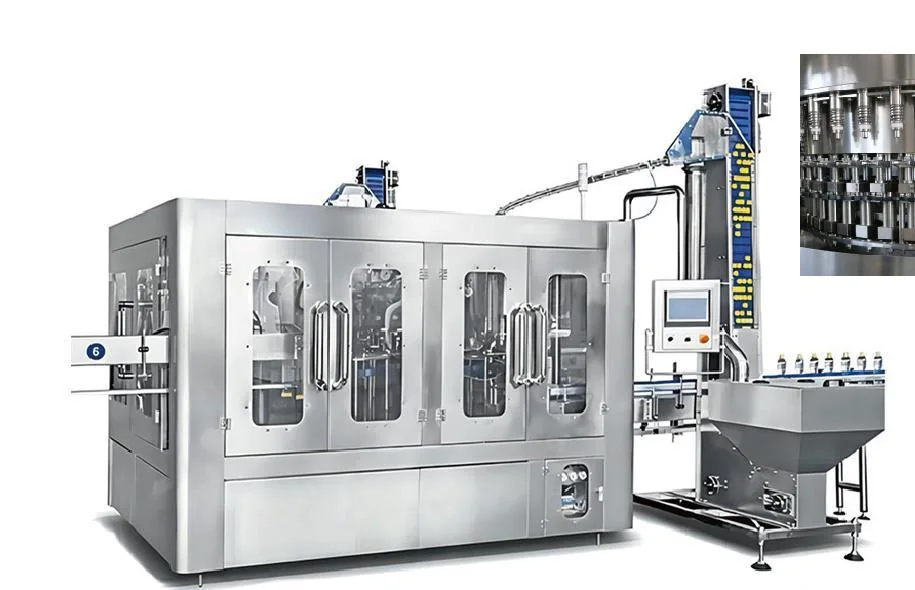
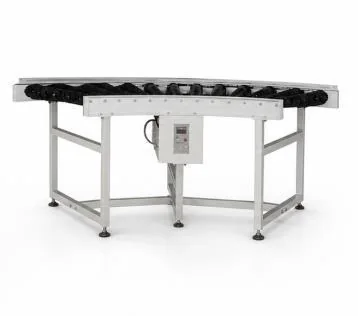
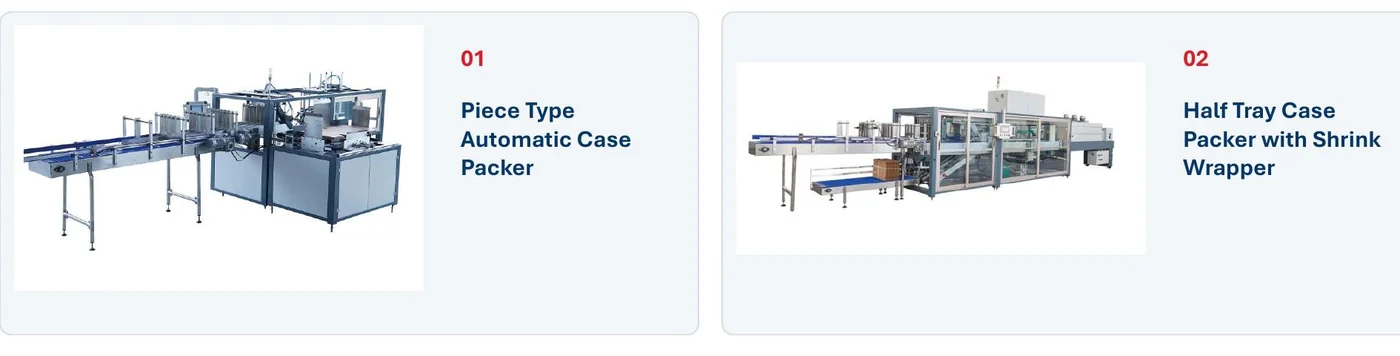
Observe the sequence before selecting a correction
Water Bottling Factory Problems: What Evidence Should You Collect?
Record the earliest event, affected batch and format, material lot, recent changes and operating settings. The table gives investigation routes, not automatic diagnoses. Qualified site personnel should apply approved isolation and operating procedures before inspection or adjustment.
| Observed symptom | Capture during the same event | Next investigation |
|---|---|---|
| Filler repeatedly waits for empty bottles | Bottle infeed gaps; upstream stop times; buffer level; preform or bottle lot; current format | Distinguish an upstream supply interruption from a conveyor transfer or accumulation issue |
| Filler stops while capped bottles accumulate | First downstream alarm; labeler and packer state; buffer occupancy; warehouse discharge status | Locate the first unavailable downstream step before proposing a faster filler |
| Leaks or inconsistent cap application | Bottle and cap lots; approved neck/closure references; defect time; affected positions; inspection result | Route the affected batch through quality status control; compare material compatibility and qualified maintenance findings |
| Label rejects rise after changeover | Container and label references; approved recipe; changeover record; reject samples; bottle-surface condition | Check the changed format and material basis against the approved setup |
| Fill results drift during the shift | Check method and instrument; water-supply readings; time pattern; affected filling positions; material changes | Compare process stability and measurement reliability before assigning the issue to one machine |
| Packing or pallet handling limits output | Pack pattern; film or carton lot; cycle interruptions; manual-task timing; full-pallet removal time | Separate packing-cycle loss from material supply and finished-goods handling constraints |
| Output changes when another utility user starts | Synchronized terminal readings; equipment states; demand changes; alarm timestamps | Have the responsible technical team verify operating-load supply against the approved requirements |
Log each line-loss event once. If several machines alarm after one initiating stop, connect them to the same event rather than summing all alarm durations. Preserve the observed sequence and mark the cause as unconfirmed until evidence supports it.
Symptom entry points
Choose the observable problem first
01 · Buyer or factory inputs
Information the decision needs
- Observable symptom and line area
- Frequency and time pattern
- Current and target BPH
- Bottle format and material lot
- Alarm, stop, reject and quality-hold records
- Settings and recent changes
- Safe photos or videos
- Utility readings and maintenance history where relevant
02 · Operating objective
What completion should achieve
Create a bounded problem statement, preserve evidence and assign the next safe investigation without making an unsupported engineering conclusion.
03 · Required controls
Turn the objective into controlled work
- 01
Protect people and product first; stop and escalate unsafe conditions
- 02
Record the state before clearing alarms or changing settings
- 03
Use one time window for counts and losses
- 04
Change one controlled factor at a time when authorized
- 05
Keep material lot, shift and format context attached
- 06
Separate containment from confirmed corrective action
- 07
Verify the result across representative conditions before closure
04 · Factory interfaces
What connects to this decision
- Low output: schedule, stops, speed, yield and quality hold
- Frequent stops: alarms, material supply, accumulation and restart sequence
- Rejected bottles: source, type, line position and lot
- Unstable filling or caps: container, product, supply, settings and inspection
- Labels or packing: container condition, material, speed, accumulation and downstream flow
- Utility instability: measured demand, quality, pressure/flow/voltage and time correlation
05 · Evidence to collect
Records that make review possible
- Time-stamped symptom log
- Production, downtime and reject reports
- Alarm and setting record
- Bottle, cap, label and pack specifications
- Material lot and incoming result
- Maintenance work and replacement history
- Safe photos, videos and measurements
06 · Common failure modes
Do not confuse a pattern with a confirmed cause
1Clearing alarms without recording them
2Making several changes together
3Blaming one machine without same-window interface evidence
4Continuing to produce uncertain product without status control
5Closing the issue after one short successful run
07 · Responsibility boundary
Name who confirms each part
| Role | Possible responsibility in this stage |
|---|---|
| Operator / supervisor | Describe and contain the symptom and preserve the initial state. |
| Maintenance | Investigate safely and document tests, changes and parts. |
| Quality | Control product status and connect rejects or holds to the event. |
| Supplier / Allot Tech | Review structured evidence and confirm the scoped next step. |
08 · Completion criteria
Evidence that the stage can advance
- The problem statement is measurable
- Evidence covers relevant interfaces and conditions
- Containment protects people and product
- The confirmed cause is distinguished from hypothesis
- Corrective action is verified under representative operation
Contact and support
Questions operating teams ask
Should the line keep running while a fault is investigated?
Only within approved safety, quality and operating controls. Stop and escalate any condition that could endanger people, equipment or product status.
Why record the state before a reset?
Alarms, settings, material, counts and upstream/downstream conditions can disappear after recovery, removing evidence needed to identify the mechanism.
Editorial responsibility: Allot Tech (Suzhou) Co., Ltd. · Last updated .