
Factory operating control
Build Preventive Maintenance Around the Real Factory
Preventive maintenance should combine supplier requirements, actual duty, environment, failure history, product risk and safe access. Each task needs a defined asset, method, interval or trigger, competence, parts, tools, evidence and restart requirement rather than a copied generic checklist.
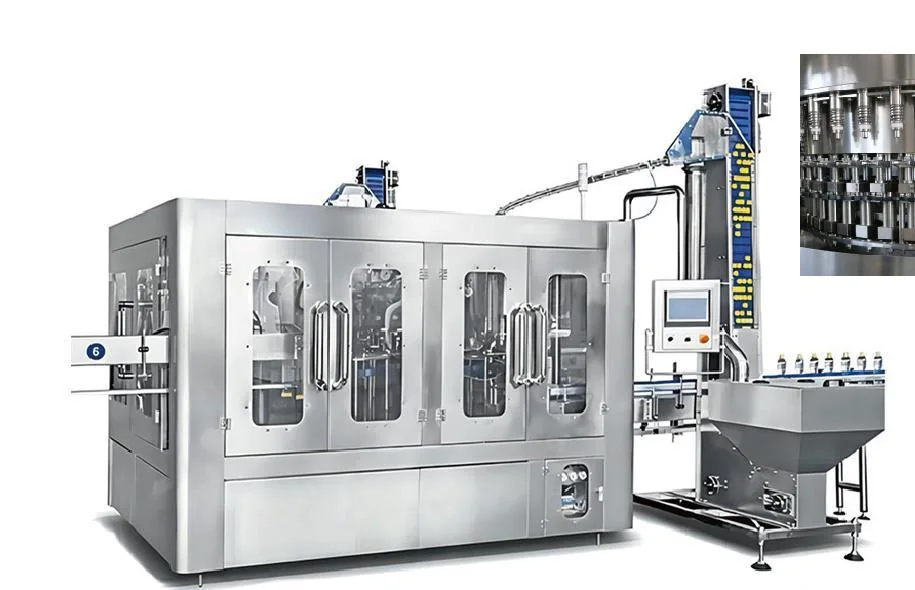
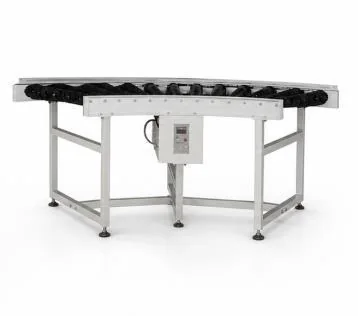
01 · Buyer or factory inputs
Information the decision needs
- Tagged asset hierarchy and supplier documentation
- Operating hours, cycles, formats and environment
- Failure, defect and condition history
- Safety, hygiene and product-impact assessment
- Available skills, tools, parts and production windows
- Restart inspection and verification requirements
02 · Operating objective
What completion should achieve
Complete the right work at the right condition without creating hidden production, safety or hygiene risk.
03 · Required controls
Turn the objective into controlled work
- 01
Build the asset register from installed equipment
- 02
Translate supplier tasks into factory work orders and triggers
- 03
Prioritize work through duty, failure and product consequence
- 04
Plan isolation, access, parts, tools and competence before the window
- 05
Record findings, measurements, parts and deviations
- 06
Require controlled reassembly, cleaning and restart where applicable
04 · Factory interfaces
What connects to this decision
- Production calendar to maintenance window
- Supplier manual to factory work instruction
- Spare stock to planned task readiness
- Maintenance intervention to hygienic and quality release
- Condition finding to interval or improvement review
05 · Evidence to collect
Records that make review possible
- Asset and task register
- Planned schedule with due status
- Completed work order and findings
- Parts and measurement traceability
- Restart and effectiveness review
06 · Common failure modes
Do not confuse a pattern with a confirmed cause
1Calendar tasks ignore actual cycles or condition
2Work is closed without findings or evidence
3Required spare or tool is discovered after shutdown begins
4Equipment restarts without guard, setting, cleaning or product-status checks
07 · Responsibility boundary
Name who confirms each part
| Role | Possible responsibility in this stage |
|---|---|
| Operations owner | Defines the operating condition, assigns the record and confirms that actions fit the production plan. |
| Quality owner | Defines product-status, sampling, release and escalation controls within the factory system. |
| Maintenance owner | Confirms safe technical work, equipment condition, evidence and restart requirements. |
| Supplier / Allot Tech | Reviews the documented interface or symptom and coordinates project-specific questions within the agreed scope. |
08 · Completion criteria
Evidence that the stage can advance
- Installed assets and required tasks are covered
- Due logic reflects actual duty and risk
- Work packages are executable
- Findings update history and future work
- Restart evidence protects production and product status
Contact and support
Questions operating teams ask
Should every supplier interval be changed to factory preference?
Use the supplier basis unless a documented, competent review supports a different project-specific interval or trigger.
Can production operators perform maintenance tasks?
Only tasks within defined competence, authorization, safety and quality controls should be assigned to operators.
Editorial responsibility: Allot Tech (Suzhou) Co., Ltd. · Last updated .