
Stage 9 · expansion and continuous improvement
Upgrade an Existing Water Bottling Factory from the Real Constraint
Do not replace the complete line before identifying the loss that limits saleable output. Compare demand, current and rated output, downtime, speed loss, quality loss, material behavior, changeovers, utility stability, labor handling, maintenance history, warehouse flow and future formats, then define the smallest upgrade that addresses a confirmed constraint.
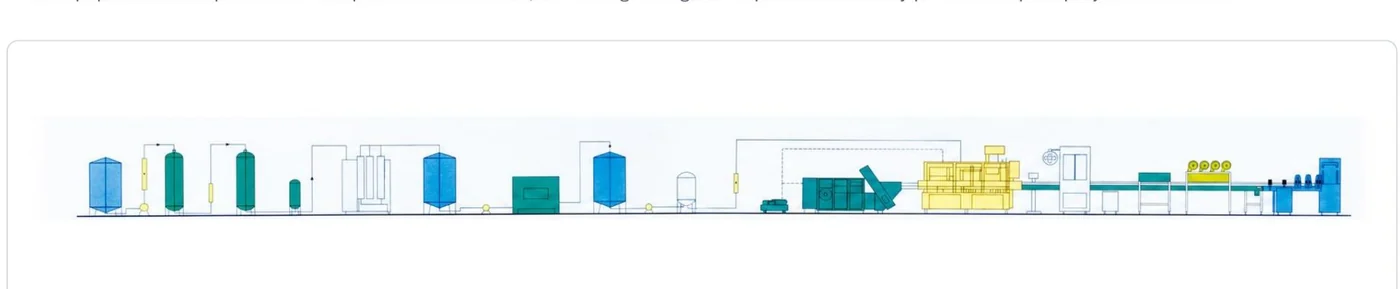
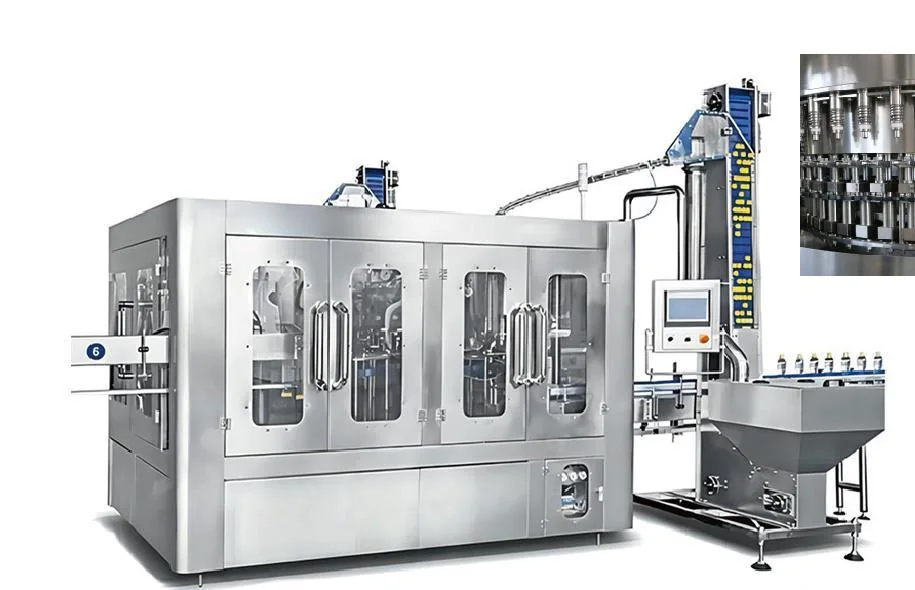
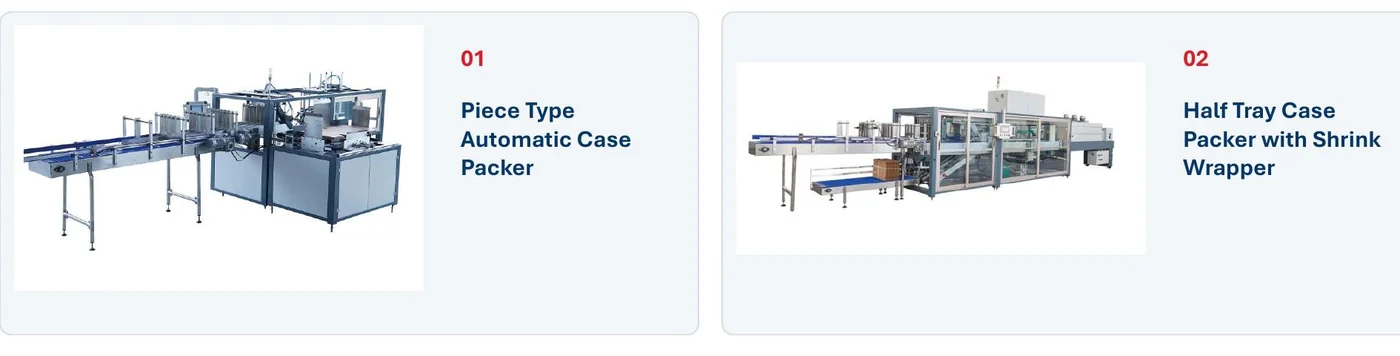
Upgrade decision · smallest effective change
Choose Maintenance, Debottlenecking, Addition or Replacement from Evidence
Use the same baseline and acceptance metric before and after the change. Protect current production with a shutdown, interface, validation and rollback plan.
| Decision route | Use when evidence shows | Scope to verify | Acceptance evidence |
|---|---|---|---|
| Restore | Current capability is lost through condition, setup or maintenance | Safe repair, parts, settings and repeat-failure risk | Recovered baseline under comparable conditions |
| Debottleneck | One confirmed constraint limits connected saleable output | Upstream/downstream effects, controls, utilities and buffers | Loss reduction without moving the constraint unacceptably |
| Add capacity or function | Demand or product scope exceeds a verified boundary | Space, services, people, material flow and integration | Agreed result by format and operating condition |
| Replace | Condition, supportability or capability cannot meet the approved need | Migration, downtime, compatibility, training and disposal | Controlled startup plus comparable operating result |
01 · Buyer or factory inputs
Information the decision needs
- Current product formats and approved future formats
- Rated, current and saleable output on the same time basis
- Downtime, reject, quality-hold and changeover records
- Equipment list, controls, layouts and manuals
- Utility measurements under load
- Material specifications and problem lots
- Maintenance history and spare availability
- Business demand, phased expansion and allowed shutdown window
02 · Operating objective
What completion should achieve
Create an evidence-based improvement scope with a measured baseline, confirmed constraint, interface review, responsibility boundary and post-change verification plan.
03 · Required controls
Turn the objective into controlled work
- 01
Validate the current baseline before selecting equipment
- 02
Separate recurring constraint from occasional symptom
- 03
Review operational and material changes before capital replacement
- 04
Check controls, elevations, speed, accumulation, utility and safety interfaces for any new equipment
- 05
Plan installation and commissioning around the existing factory
- 06
Protect current product quality and traceability during change
- 07
Define verification using the same metrics as the baseline
04 · Factory interfaces
What connects to this decision
- Existing controls to new interlocks and speed references
- Conveyor elevations and accumulation to replacement equipment
- Available utilities to added demand
- New inspection or automation to rejection and data handling
- Upgrade shutdown to production and warehouse plan
- Future bottle formats to change parts, molds, labels and packers
05 · Evidence to collect
Records that make review possible
- Baseline production and loss report
- Current drawings, manuals and equipment photos
- Measured interface and utility data
- Constraint investigation record
- Proposed scope and responsibility matrix
- Installation, test and rollback plan
- Post-upgrade comparison using the approved baseline
06 · Common failure modes
Do not confuse a pattern with a confirmed cause
1Replacing the filler when packing or material supply is the constraint
2Adding faster equipment without accumulation or utility review
3Using nameplate BPH as the only baseline
4Failing to preserve existing control and safety interfaces
5Accepting improvement without checking saleable output and quality loss
07 · Responsibility boundary
Name who confirms each part
| Role | Possible responsibility in this stage |
|---|---|
| Factory owner / operations | Define business objective, baseline and shutdown limits. |
| Maintenance / engineering | Measure interfaces and preserve installed-equipment evidence. |
| Quality | Control product and validation impacts. |
| Selected suppliers / Allot Tech | Develop and coordinate the project-specific option and responsibility scope. |
08 · Completion criteria
Evidence that the stage can advance
- The constraint and baseline are documented
- The proposed change addresses a named mechanism
- Every interface and responsibility is confirmed
- Installation, testing and production-continuity risks are controlled
- Post-change saleable output, quality and loss results are compared with baseline
Contact and support
Questions operating teams ask
When should a factory upgrade instead of replace the complete line?
When evidence shows that a defined equipment, control, material, utility, inspection, packing or handling change can address the constraint with manageable interfaces and risk.
Can an upgrade guarantee the target output?
No. The target and acceptance basis must be confirmed project-specifically, and factory output still depends on the connected operating system.
What should be measured before requesting a quotation?
Current and target output on the same basis, downtime, rejects, quality holds, formats, equipment and controls, utility conditions, physical interfaces and available shutdown time.
Editorial responsibility: Allot Tech (Suzhou) Co., Ltd. · Last updated .