
Factory operating control
Control Line Balance, Accumulation and Restart Behavior
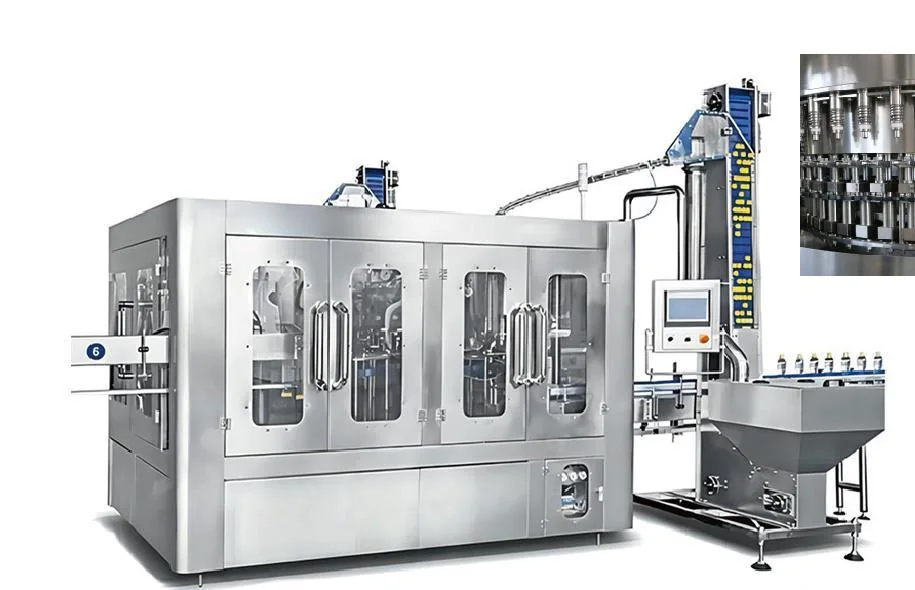
Line balance is the behavior of the connected system, not a list of machine nameplates. Review actual formats, sustained rates, accumulation time, conveyor logic, starvation, blockage, restart sequences, reject handling and operator intervention under representative conditions.
01 · Buyer or factory inputs
Information the decision needs
- Rated and sustained conditions for every connected machine
- Bottle formats and handling stability
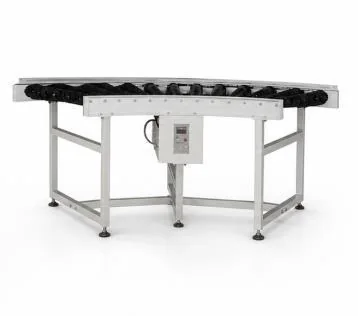
- Conveyor speeds, accumulation length and control zones
- Starved, blocked, fault and restart state definitions
- Synchronized counts and stop records
- Planned operating cases and changeover mix
02 · Operating objective
What completion should achieve
Keep the current system constraint visible, absorb short disturbances without damaging product and restart connected equipment in a controlled order.
03 · Required controls
Turn the objective into controlled work
- 01
Define the complete-line saleable-output boundary
- 02
Measure machine and conveyor states on a synchronized time base
- 03
Confirm buffer capacity in seconds or bottles for each representative format
- 04
Test starved, blocked, fault and restart interactions safely
- 05
Separate actual constraint from machines merely reacting to another area
- 06
Change one parameter at a time and preserve before-and-after evidence
04 · Factory interfaces
What connects to this decision
- Blower discharge to filler infeed
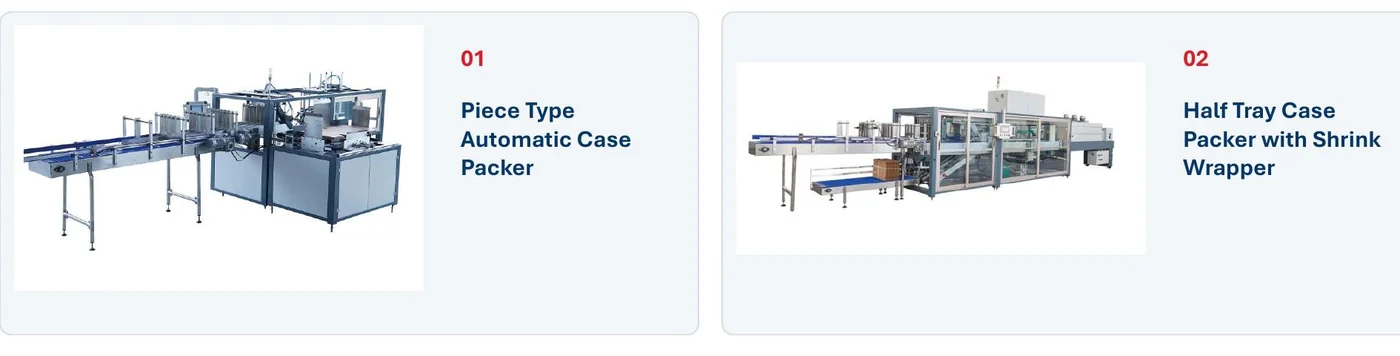
- Filler discharge to labeler and packer
- Conveyor zones to machine permissives
- Reject devices to accumulation behavior
- End-of-line removal to upstream blockage
05 · Evidence to collect
Records that make review possible
- Connected-line state and count timeline
- Buffer capacity and bottle-stability observations
- Interlock and restart test record
- Constraint analysis by format
- Controlled trial with before-and-after saleable output
06 · Common failure modes
Do not confuse a pattern with a confirmed cause
1The slowest nameplate machine is assumed to be the bottleneck
2Accumulation is increased without checking bottle stability or access
3One machine accelerates and creates repeated downstream blockage
4Restart logic is judged only during normal running
07 · Responsibility boundary
Name who confirms each part
| Role | Possible responsibility in this stage |
|---|---|
| Operations owner | Defines the operating condition, assigns the record and confirms that actions fit the production plan. |
| Quality owner | Defines product-status, sampling, release and escalation controls within the factory system. |
| Maintenance owner | Confirms safe technical work, equipment condition, evidence and restart requirements. |
| Supplier / Allot Tech | Reviews the documented interface or symptom and coordinates project-specific questions within the agreed scope. |
08 · Completion criteria
Evidence that the stage can advance
- Line states and boundaries are defined
- Buffers meet a documented purpose
- Representative formats remain stable
- Fault and restart interactions have been tested
- The active constraint and next evidence need are known
Contact and support
Questions operating teams ask
Does more conveyor always improve line efficiency?
No. Buffer only helps specific disturbances and can introduce instability, scuffing, access or control problems.
How should buffer capacity be compared?
Use representative bottle formats and convert physical accumulation into useful time at the relevant line rate.
Editorial responsibility: Allot Tech (Suzhou) Co., Ltd. · Last updated .