
Factory operating control
Verify Factory Utilities Under Real Operating Load
An idle pressure, voltage or flow reading does not prove utility readiness. The factory should define normal, peak, startup, cleaning, changeover and fault cases, then measure conditions at agreed points while the connected equipment operates.
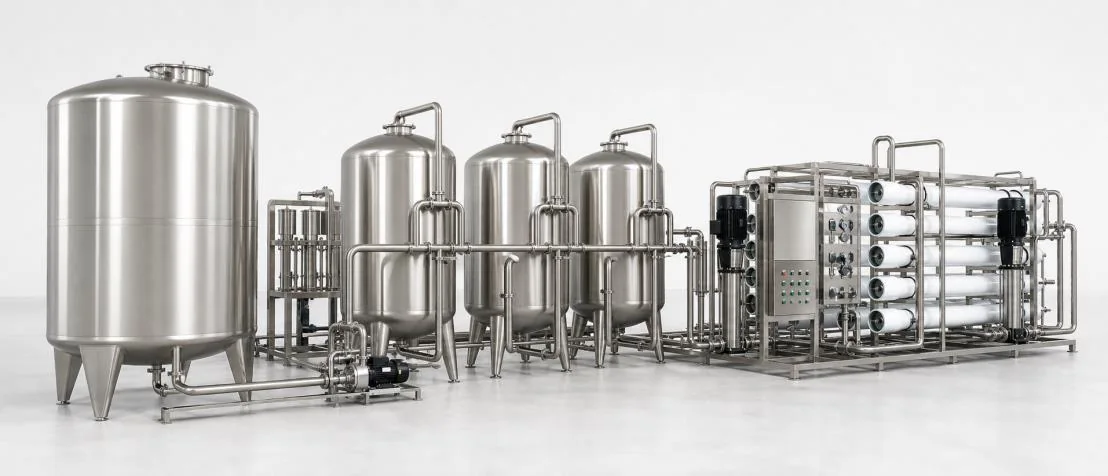

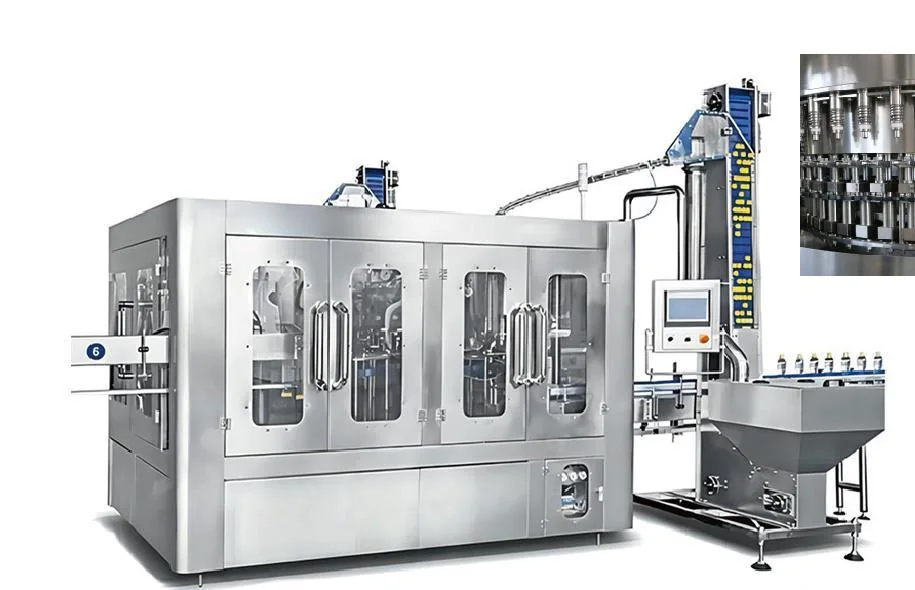
01 · Buyer or factory inputs
Information the decision needs
- Tagged utility users and supplier demand data
- Operating modes and coincident demand cases
- Point-of-use limits and connection locations
- Available measurement instruments and calibration status
- Alarm, trip and product-risk conditions
- Local qualified reviews for electrical, pressure and discharge systems
02 · Operating objective
What completion should achieve
Demonstrate that each utility reaches the required point of use with stable condition and sufficient recovery across representative factory modes.
03 · Required controls
Turn the objective into controlled work
- 01
Build a tagged demand schedule by operating mode
- 02
Define where and how voltage, pressure, flow, temperature or quality will be measured
- 03
Test normal production and credible peak or transition cases
- 04
Record upstream source and point-of-use values on the same timeline
- 05
Challenge alarms or low-utility responses where safe and authorized
- 06
Assign corrective action when the measured condition leaves the agreed range
04 · Factory interfaces
What connects to this decision
- Source capacity to point-of-use demand
- Utility variation to machine alarms and quality status
- Cleaning demand to production availability
- Drainage capacity to simultaneous discharge
- Backup or recovery plan to restart sequence
05 · Evidence to collect
Records that make review possible
- Utility load schedule and tagged measurement points
- Calibrated readings by operating case
- Alarm and interlock challenge records
- Observed equipment and product response
- Open capacity, distribution or recovery actions
06 · Common failure modes
Do not confuse a pattern with a confirmed cause
1Only equipment nameplate demand is summed
2Measurements are taken at the utility room but not at the machine
3Peak cleaning or startup demand is omitted
4A pressure or voltage drop is corrected without preserving trend evidence
07 · Responsibility boundary
Name who confirms each part
| Role | Possible responsibility in this stage |
|---|---|
| Operations owner | Defines the operating condition, assigns the record and confirms that actions fit the production plan. |
| Quality owner | Defines product-status, sampling, release and escalation controls within the factory system. |
| Maintenance owner | Confirms safe technical work, equipment condition, evidence and restart requirements. |
| Supplier / Allot Tech | Reviews the documented interface or symptom and coordinates project-specific questions within the agreed scope. |
08 · Completion criteria
Evidence that the stage can advance
- Demand cases and limits are documented
- Measurement points are traceable
- Normal and peak conditions have evidence
- Utility-related product risks and responses are controlled
- Open distribution or capacity gaps have owners
Contact and support
Questions operating teams ask
Why can a large compressor still cause low-pressure stops?
Distribution losses, receiver behavior, simultaneous demand, controls, temperature and point-of-use restrictions may matter as much as nominal capacity.
Should backup utilities be tested?
Test only through an approved safe plan that defines the expected transition, affected equipment and product disposition.
Editorial responsibility: Allot Tech (Suzhou) Co., Ltd. · Last updated .