
Quality system · clean state must be defined and verified
Control Hygiene, Cleaning and Sanitation as a Factory System
Hygiene control extends beyond the filler. It includes source-water and treatment areas, product-water storage, packaging materials, people and traffic, cleaning tools, equipment surfaces, drains, sampling, waste, maintenance work and the decision to release an area or line for production.
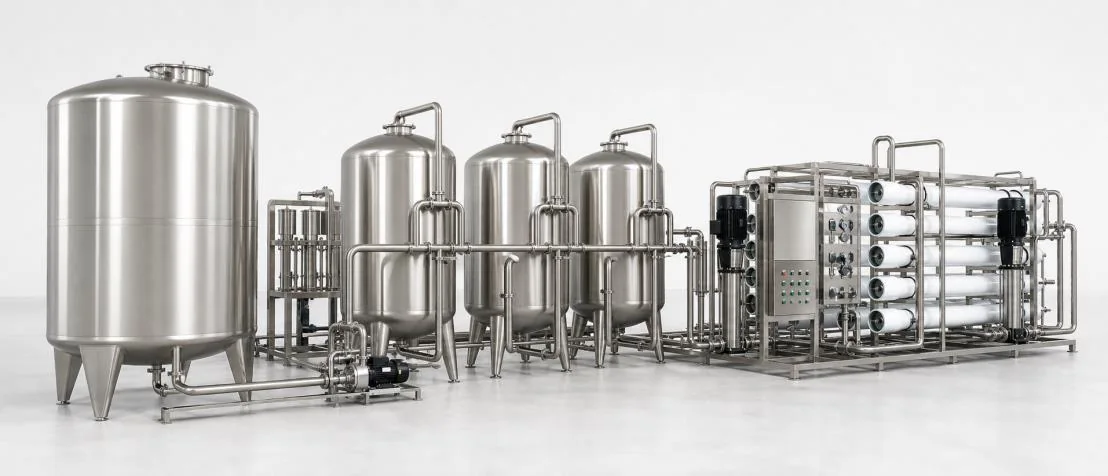

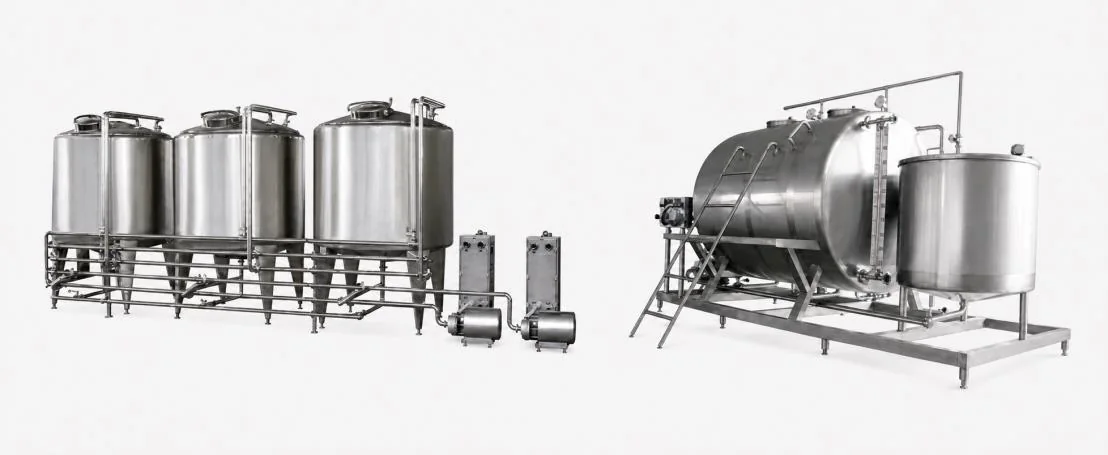
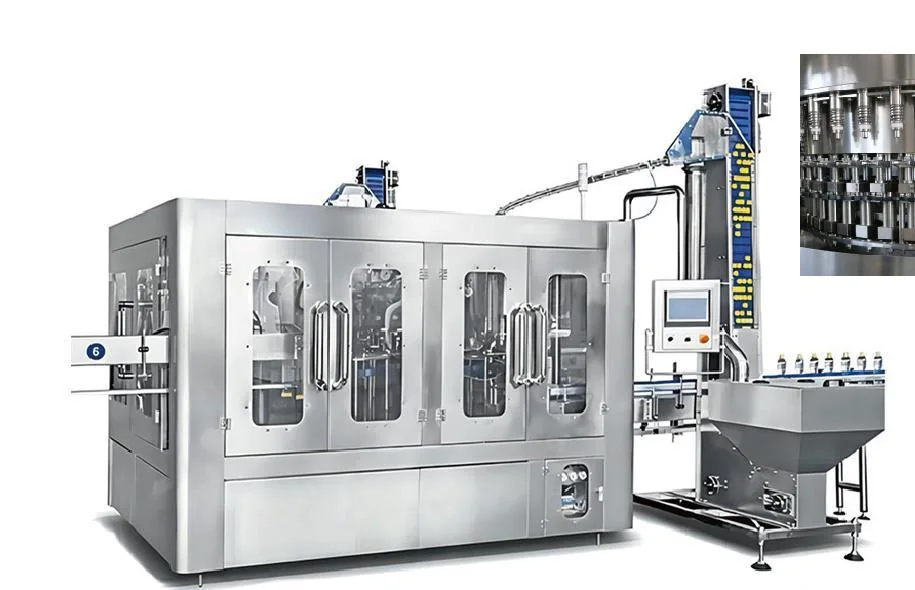
01 · Buyer or factory inputs
Information the decision needs
- Factory areas, traffic and activity map
- Equipment supplier cleaning guidance
- Product and packaging exposure points
- Available water and cleaning resources
- Approved chemical information and local professional advice
- Cleaning responsibilities, frequency and verification methods
- Production and maintenance schedule
02 · Operating objective
What completion should achieve
Define what must be cleaned, by whom, with which approved method, how completion is verified and who releases the line or area before production.
03 · Required controls
Turn the objective into controlled work
- 01
Separate hygiene zones and incompatible activities
- 02
Define cleaning scope, sequence, tools, conditions and safety controls
- 03
Identify and control cleaning chemicals and concentrations according to approved site procedures
- 04
Protect clean equipment and packaging after release
- 05
Control maintenance tools and parts entering hygienic areas
- 06
Verify completion using the approved factory method
- 07
Record deviations, recleaning and authorized area release
04 · Factory interfaces
What connects to this decision
- Raw-water handling to treatment and product-water storage
- People, clothing and traffic to exposed product/packaging zones
- Equipment design and drains to cleanability
- Maintenance work to post-maintenance cleaning and release
- Cleaning completion to line clearance and production startup
05 · Evidence to collect
Records that make review possible
- Hygiene zoning and traffic plan
- Cleaning schedule and task procedure
- Chemical issue and preparation record
- Cleaning completion and verification record
- Post-maintenance cleaning record
- Area or line release record
- Deviation and corrective-action record
06 · Common failure modes
Do not confuse a pattern with a confirmed cause
1Treating filler rinsing as the complete hygiene program
2Sharing uncontrolled tools between areas
3Starting production before cleaning verification and release
4Allowing drainage backup or standing water around equipment
5Returning equipment after maintenance without controlled cleaning
07 · Responsibility boundary
Name who confirms each part
| Role | Possible responsibility in this stage |
|---|---|
| Production | Perform and record assigned line and area cleaning. |
| Quality / hygiene owner | Approve methods, verify results and release according to the site system. |
| Maintenance | Control interventions and complete post-work restoration. |
| Local professionals | Confirm chemical, worker-safety, environmental and product obligations. |
08 · Completion criteria
Evidence that the stage can advance
- Every hygienic area and task has an owner and approved method
- Required resources and tools are available and controlled
- Completion and verification are recorded
- Open deviations prevent release when required
- Production starts only after the authorized release decision
Contact and support
Questions operating teams ask
Does this page prescribe a universal sanitizer or concentration?
No. Chemicals, concentrations, contact conditions, worker protections and verification need approval for the actual equipment, product and jurisdiction.
Who releases the line after cleaning?
The factory should name an authorized role and objective completion evidence. The decision cannot be assumed from elapsed time alone.
Editorial responsibility: Allot Tech (Suzhou) Co., Ltd. · Last updated .