
Factory operating control
Shift Startup Readiness for a Water Bottling Factory
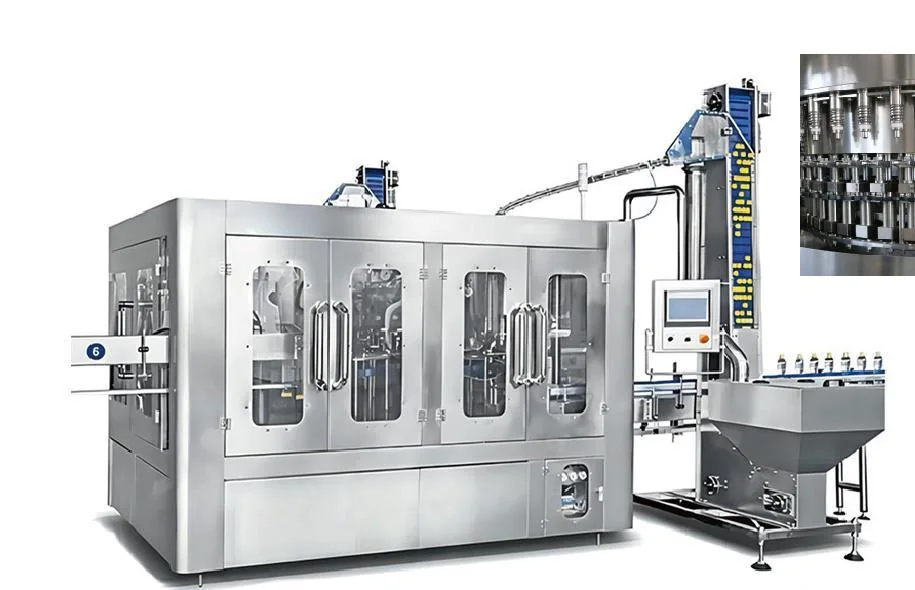
A shift should start only when the line state, people, approved materials, utilities, cleaning status, product recipe, quality checks, maintenance releases and downstream capacity are known. The startup record should separate normal prerequisites from temporary controls and identify who may release the first saleable product.
01 · Buyer or factory inputs
Information the decision needs
- Approved schedule, SKU and packaging revisions
- Previous-shift handover and unresolved defects
- Cleaning, maintenance and safety release status
- Material identity, quantity and quality status
- Utility condition under the intended operating load
- Named operators, quality coverage and escalation contacts
02 · Operating objective
What completion should achieve
Begin the shift from a verified and repeatable state, protect product status during the unstable startup window, and make every deviation visible before normal production is declared.
03 · Required controls
Turn the objective into controlled work
- 01
Confirm guards, interlocks, work permits and people-clear checks before motion
- 02
Verify product, bottle, cap, label, code and final-pack revisions against the schedule
- 03
Confirm treatment water, air, power, drainage and downstream handling are available
- 04
Load controlled recipes and record any approved deviation from the normal baseline
- 05
Define the first-off inspection, sampling quantity and product-hold boundary
- 06
Release normal production only after the assigned checks and records are complete
04 · Factory interfaces
What connects to this decision
- Shift handover to startup decision
- Warehouse issue to line-side material verification
- Maintenance release to equipment restart
- Water-treatment status to filler product release
- First-off checks to finished-goods identification
05 · Evidence to collect
Records that make review possible
- Signed startup checklist with time and responsible roles
- Material lots and recipe or format revision record
- Utility and treatment status readings
- First-off inspection and quality disposition
- Open-item and temporary-control register
06 · Common failure modes
Do not confuse a pattern with a confirmed cause
1The line starts because operators are present while materials or quality status remain unclear
2A previous fault or temporary setting is carried into the new shift without review
3First product enters normal stock before the hold and release boundary is defined
4Utility availability is checked at idle rather than under production demand
07 · Responsibility boundary
Name who confirms each part
| Role | Possible responsibility in this stage |
|---|---|
| Operations owner | Defines the operating condition, assigns the record and confirms that actions fit the production plan. |
| Quality owner | Defines product-status, sampling, release and escalation controls within the factory system. |
| Maintenance owner | Confirms safe technical work, equipment condition, evidence and restart requirements. |
| Supplier / Allot Tech | Reviews the documented interface or symptom and coordinates project-specific questions within the agreed scope. |
08 · Completion criteria
Evidence that the stage can advance
- The safe equipment state is confirmed
- People, materials, utilities and documents match the planned SKU
- First-off product has a recorded status
- Temporary controls and open items have owners
- Normal production release has an identifiable time and authority
Contact and support
Questions operating teams ask
Is a machine pre-start checklist enough?
No. A factory startup also needs material, utility, product-status, staffing, warehouse and quality interfaces to be ready.
When should startup product become saleable?
Only after the factory-defined first-off checks and authorized release decision are complete.
Editorial responsibility: Allot Tech (Suzhou) Co., Ltd. · Last updated .