
Factory operating control
Verify Cleaning Before Product Release
Cleaning verification confirms that the approved task was executed under defined conditions and achieved the factory release criteria. It should connect the exact equipment boundary, prior product or intervention, chemical and rinse condition, visual or measured checks, deviations and authorization.
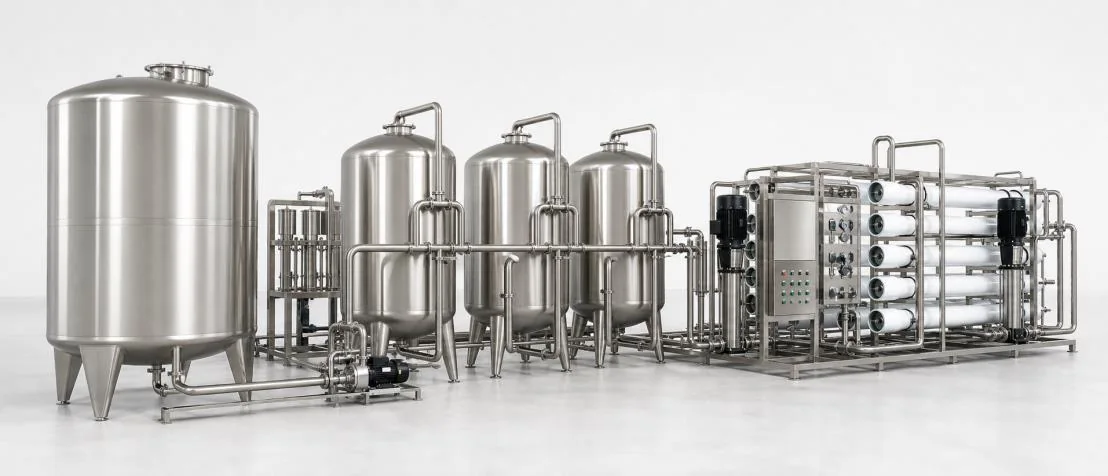
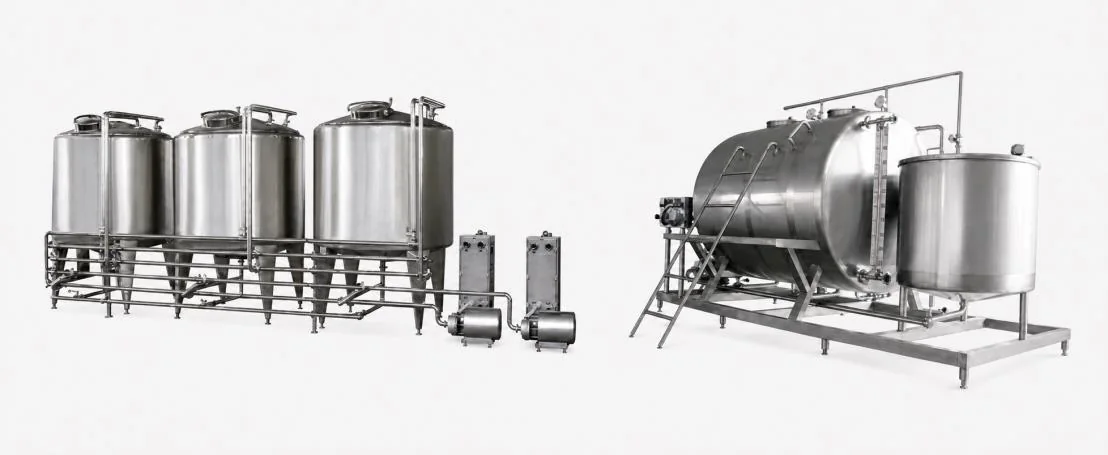
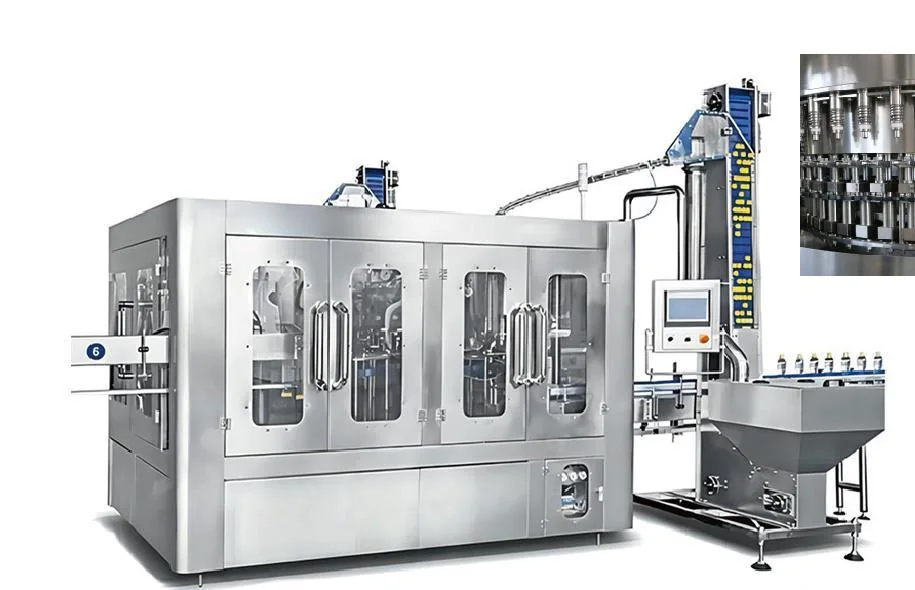
01 · Buyer or factory inputs
Information the decision needs
- Equipment and hygienic boundary to be cleaned
- Supplier instructions and factory-approved procedure
- Chemical identity, concentration and compatibility
- Time, temperature, flow or mechanical action requirements
- Inspection, sampling and acceptance method
- Local safety, chemical and discharge controls
02 · Operating objective
What completion should achieve
Release equipment from a traceable cleaning state that matches its next intended use without implying a universal sanitation result.
03 · Required controls
Turn the objective into controlled work
- 01
Identify the equipment boundary and pre-cleaning condition
- 02
Verify chemical, concentration, temperature, time and flow where applicable
- 03
Control disassembly, access, dead areas and reassembly
- 04
Record rinse, visual, instrument or sample checks through approved methods
- 05
Investigate deviations and define re-clean, resample or hold actions
- 06
Authorize use only when the stated release criteria are complete
04 · Factory interfaces
What connects to this decision
- Production end state to cleaning scope
- Chemical preparation to worker and equipment safety
- Cleaning discharge to drainage authorization
- Maintenance intervention to hygienic re-release
- Verification result to product-startup decision
05 · Evidence to collect
Records that make review possible
- Cleaning work order or batch record
- Chemical lot and preparation record
- Time, temperature, flow or inspection data
- Sample and verification result
- Deviation, corrective action and release authorization
06 · Common failure modes
Do not confuse a pattern with a confirmed cause
1Completion is recorded without the actual conditions
2Only accessible surfaces are considered
3A maintenance intervention bypasses the normal re-clean decision
4Verification result and product release are not linked
07 · Responsibility boundary
Name who confirms each part
| Role | Possible responsibility in this stage |
|---|---|
| Operations owner | Defines the operating condition, assigns the record and confirms that actions fit the production plan. |
| Quality owner | Defines product-status, sampling, release and escalation controls within the factory system. |
| Maintenance owner | Confirms safe technical work, equipment condition, evidence and restart requirements. |
| Supplier / Allot Tech | Reviews the documented interface or symptom and coordinates project-specific questions within the agreed scope. |
08 · Completion criteria
Evidence that the stage can advance
- The cleaned boundary and next use are identified
- Required conditions and checks are recorded
- Deviations have a disposition
- Reassembly and line status are controlled
- The release authority and time are traceable
Contact and support
Questions operating teams ask
Does visual cleanliness prove sanitation?
No. Visual inspection is one possible check; the factory must define methods and acceptance appropriate to the actual risk and local requirements.
Must every cleaning use the same method?
No. Scope, equipment, prior condition and intended next use can require different approved procedures.
Editorial responsibility: Allot Tech (Suzhou) Co., Ltd. · Last updated .