
Stage 5 · installation and commissioning
Prepare a Water Bottling Line for Commissioning
Commissioning should begin from a controlled installation baseline. Mechanical, electrical, controls, utilities, safety devices, machine interfaces, documentation, materials, operators and test responsibilities need recorded readiness before the line is run as one system.
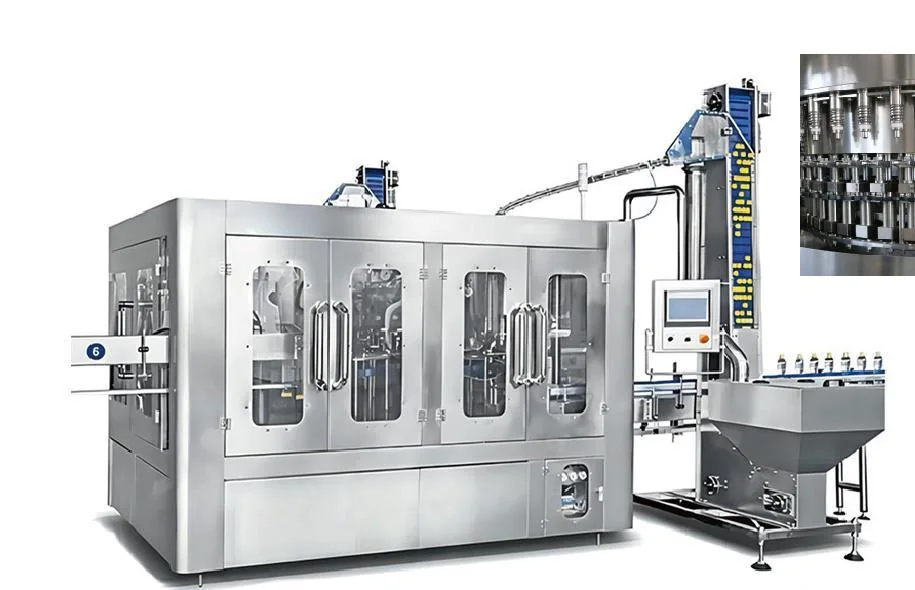
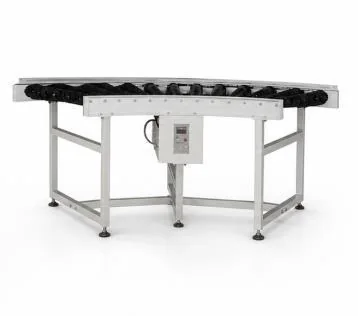
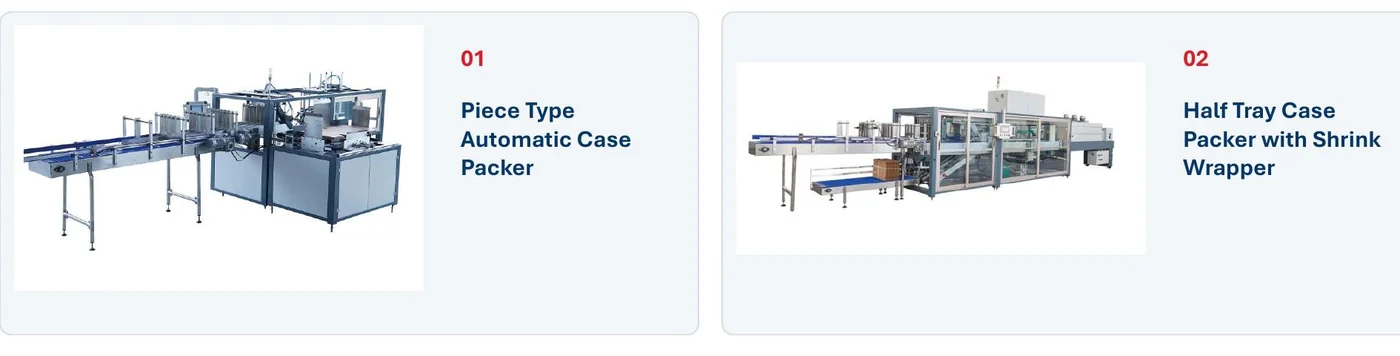
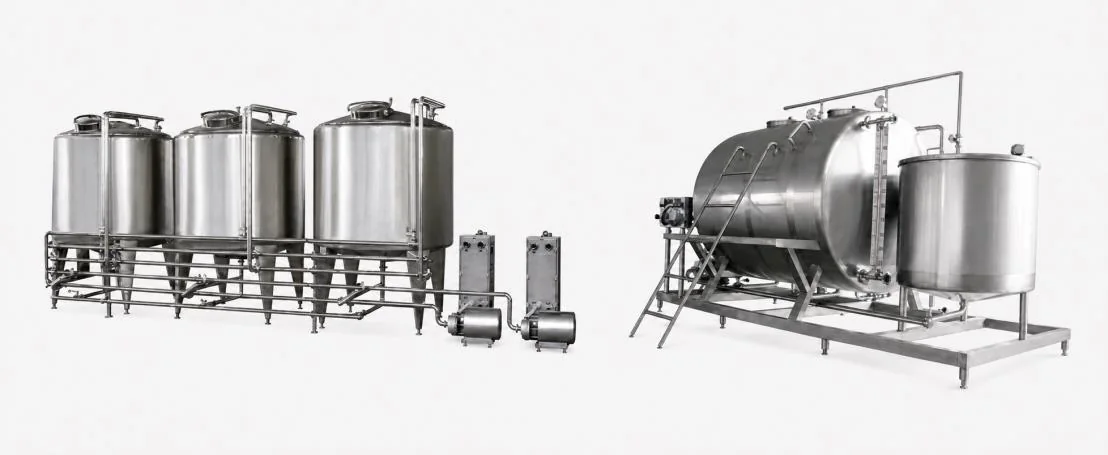
Commissioning path · controlled release by stage
Separate Installation Completion from Operating Handover
Each stage needs its own prerequisite, record and authority. This page prepares the site and commissioning work; the operations-handover resource starts after the verified commissioning state is ready to transfer.
| Gate | Question to close | Evidence to retain | Owner boundary |
|---|---|---|---|
| Installation complete | Are positioning, connections, guards, utilities and red-line changes recorded? | Installation checklist, connection results and open items | Installation and local engineering teams |
| Safe to energize | Are isolation, protection, access and authorized startup conditions ready? | Approved energization or safe-start record | Authorized site and commissioning roles |
| Individual functions ready | Can each module be tested under controlled conditions? | Function results, settings, alarms and deviations | Commissioning team |
| Integrated trial ready | Are materials, utilities, people, quality and line interfaces available? | Trial plan and prerequisite sign-off | Project, operations and quality |
| Operations handover ready | Can a normal shift own the controlled state? | Operations Acceptance Pack | Operations, quality, maintenance and project authority |
01 · Buyer or factory inputs
Information the decision needs
- Approved installation drawings and supplier manuals
- Mechanical/electrical completion records
- Utility quality and load test evidence
- Safety and guard check status
- Bottle, cap, label and pack materials for dry and wet tests
- Commissioning sequence and acceptance points
- Named operators, maintenance and quality personnel
02 · Operating objective
What completion should achieve
Prove functions and interfaces progressively, record deviations and prevent a rushed full-line run from hiding unsafe, incomplete or mismatched conditions.
03 · Required controls
Turn the objective into controlled work
- 01
Complete mechanical and electrical inspection before energization
- 02
Verify guards, emergency stops, interlocks and safe access
- 03
Confirm utility conditions at the equipment connection while loads operate
- 04
Test individual machines before connected-line operation
- 05
Verify conveyor directions, elevations, accumulation and stop logic
- 06
Use approved materials for relevant functional tests
- 07
Record settings, issues, temporary measures, owners and retest evidence
04 · Factory interfaces
What connects to this decision
- Mechanical alignment and conveyor transfers
- Control signals, line permissives and emergency-stop zones
- Water, power, air and drainage under operating demand
- Packaging materials and machine change parts
- Commissioning result to training, trial-production plan and acceptance records
05 · Evidence to collect
Records that make review possible
- Installation completion checklist
- Electrical and control checks
- Safety-device test record
- Utility measurement record
- Dry-test and wet-test results
- Open-item and retest log
- Current settings and approved change record
06 · Common failure modes
Do not confuse a pattern with a confirmed cause
1Running the complete line before individual modules are ready
2Testing with packaging materials that differ from the approved basis
3Accepting temporary bypasses without control and closure
4Measuring utilities only when the equipment is idle
5Training operators through unrecorded trial-and-error during critical tests
07 · Responsibility boundary
Name who confirms each part
| Role | Possible responsibility in this stage |
|---|---|
| Buyer | Provide the ready site, utilities, materials, people and local safety controls. |
| Supplier / commissioning team | Perform and document scoped installation checks, setup and functional tests. |
| Quality and maintenance teams | Prepare release checks, maintenance access, spares and records. |
| Allot Tech | Support coordination and open-item communication within the agreed scope. |
08 · Completion criteria
Evidence that the stage can advance
- Mechanical, electrical and safety checks are complete
- Utilities support the intended test condition
- Connected-line interfaces operate as agreed
- Operators and quality staff understand their trial roles
- Open items are closed or formally controlled before the full trial
Contact and support
Questions operating teams ask
Is commissioning the same as commercial production?
No. Commissioning proves functions and interfaces under defined test conditions. Commercial release requires the agreed product, material, quality and operating gates.
Can open items remain before trial production?
Only if the authorized owners document that they do not compromise safety, product status, test validity or the agreed trial objective, with containment and closure plans.
Editorial responsibility: Allot Tech (Suzhou) Co., Ltd. · Last updated .